Buying a home is one of the biggest financial decisions you'll ever make, and the interest rate attached to your mortgage has a much greater impact than many people realize. A difference of only 0.25% may seem insignificant at first glance, but over the course of a 30-year mortgage, that small change can translate into thousands of dollars in additional interest. That money could have been used for home improvements, your child's education, retirement savings, or other long-term financial goals.
The surprising part is that many homebuyers don't realize they have some control over the rate they receive. Instead, they accept the first offer from a lender, assuming it's the best available. In reality, mortgage rates are influenced by a combination of personal financial factors such as your credit score, down payment, debt-to-income ratio, and loan type as well as broader economic conditions like inflation and market interest rates. Some of these factors are beyond your control, but many can be improved before you apply for a loan.
Understanding what lenders look for and knowing how mortgage pricing works can help you qualify for a lower rate and reduce your borrowing costs over time. In this guide, you'll learn the practical steps you can take to secure the lowest mortgage rate possible and make your home purchase more affordable from day one.
What Determines Your Mortgage Interest Rate
Lenders don't pull your rate out of thin air. It's built from a combination of your personal financial profile and what's happening in the broader economy. Here's a breakdown of the biggest pieces that go into that number.
Credit Score
Your credit score is one of the first things a lender looks at. Higher scores signal lower risk, which typically means a better rate. Even a jump of 20 or 30 points into a higher score tier can shift your offered rate noticeably, so it's worth checking your credit report before you apply.
Debt-to-Income Ratio (DTI)
DTI compares your monthly debt payments to your monthly income. Lenders use it to gauge how much financial breathing room you have. A lower DTI tells a lender you're not stretched thin, which can translate into a more favorable rate and easier approval.
Loan-to-Value Ratio (LTV) / Down Payment
LTV measures how much you're borrowing against the home's value. A bigger down payment (or more equity, if you're refinancing) lowers your LTV, which lowers the lender's risk. That reduced risk is often rewarded with a better rate.
Loan Type & Term
Fixed-rate, adjustable-rate, conventional, FHA, VA each loan type carries its own pricing. Shorter terms, like a 15-year loan, usually come with lower rates than 30-year terms, though the trade-off is a higher monthly payment.
Broader Market & Fed Policy
Rates aren't set in isolation. They're influenced by bond markets, inflation trends, and Federal Reserve policy. Benchmarks like the Freddie Mac Primary Mortgage Market Survey (PMMS) and the Fed funds rate give a sense of where the overall market is heading.
Current Mortgage Rate Environment — What's Driving Rates Right Now
Mortgage rates move largely in response to the bond market specifically, the yield on 10-year Treasury notes along with decisions made by the Federal Reserve. When the Fed raises or lowers short-term interest rates, or signals a change in policy direction, lenders adjust mortgage pricing in response. Inflation data, employment reports, and overall economic sentiment all play a role too, which is why rates can shift week to week even without a major policy announcement.
Because these factors change constantly, it's best to check current published rate averages such as those reported by Freddie Mac or the Federal Reserve rather than relying on figures from an older article or a conversation you had months ago. A rate that made sense last year may not reflect today's environment.
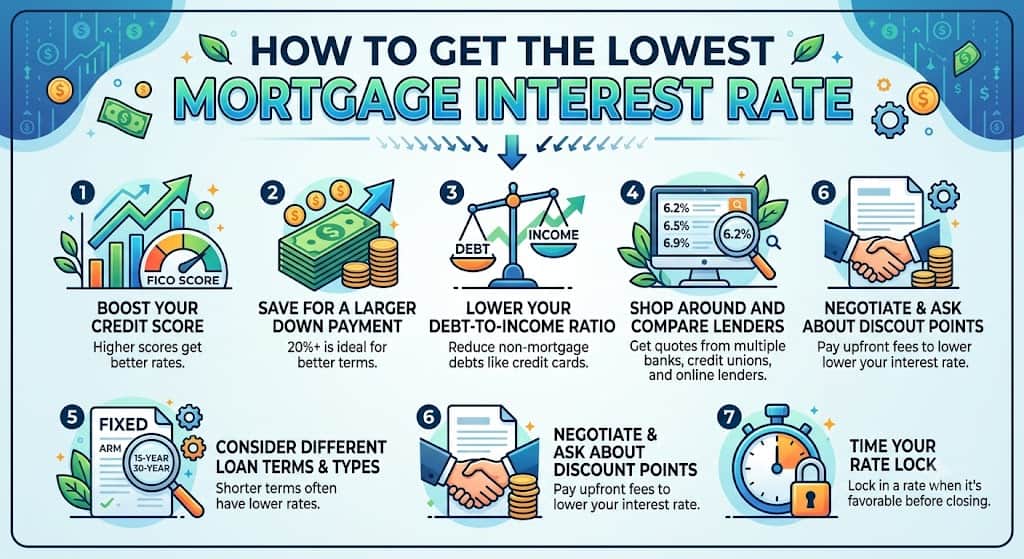
9 Proven Ways to Lower Your Mortgage Interest Rate
None of these strategies guarantee a specific rate, but each one puts you in a stronger position to negotiate and qualify for the best pricing available to you.
1. Improve Your Credit Score Before Applying
Pay down credit card balances, correct any errors on your credit report, and avoid opening new credit accounts in the months before you apply. Even modest improvements can move you into a better pricing tier. Give yourself a few months of lead time if possible credit improvements aren't always instant, but they compound.
2. Increase Your Down Payment to Lower Your LTV
Putting more money down reduces how much you're borrowing relative to the home's value. This lowers the lender's risk and often unlocks better pricing, while also helping you avoid private mortgage insurance if you can reach the 20% threshold.
3. Shop and Compare Multiple Lenders (Not Just One Quote)
Rates vary more between lenders than most people expect, sometimes by a quarter point or more for the exact same borrower profile. Getting three to five quotes within the same short window (most credit scoring models group inquiries made close together) lets you compare real offers side by side instead of guessing.
4. Consider Buying Discount Points
Discount points let you pay an upfront fee in exchange for a lower rate over the life of the loan. This can make sense if you plan to stay in the home long enough to recoup that upfront cost through your monthly savings but it's not the right move for everyone, especially short-term owners.
5. Lower Your Debt-to-Income Ratio First
Before applying, pay down credit cards, auto loans, or other recurring debt where you can. A lower DTI doesn't just help you qualify it can directly influence the rate you're offered, since it signals lower risk to the lender.
6. Choose the Right Loan Term for Your Goals
A 15-year loan typically carries a lower rate than a 30-year loan, though monthly payments are higher. If your budget allows it, a shorter term can save you significantly on interest over time but it's worth weighing against your monthly cash flow needs first.
7. Time Your Rate Lock Strategically
Once you're happy with a quoted rate, locking it protects you from market swings while your loan processes. Talk to your lender about lock periods and float-down options, especially if you're applying during a period of rate volatility.
8. Compare Fixed-Rate vs. Adjustable-Rate (ARM) Options
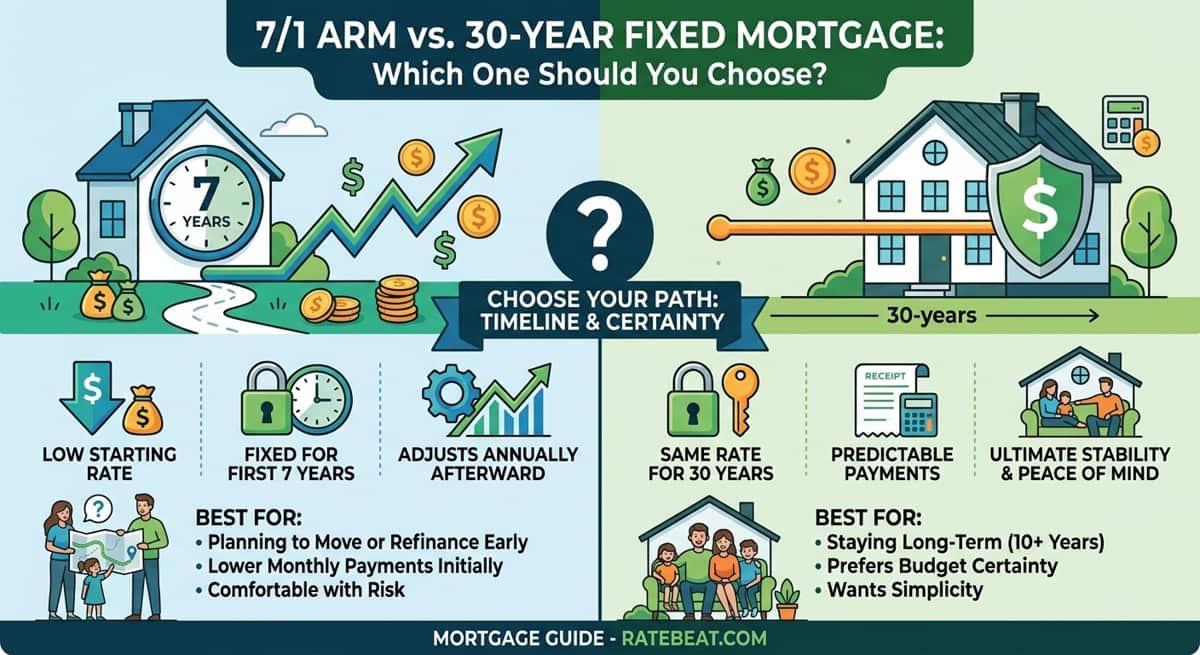
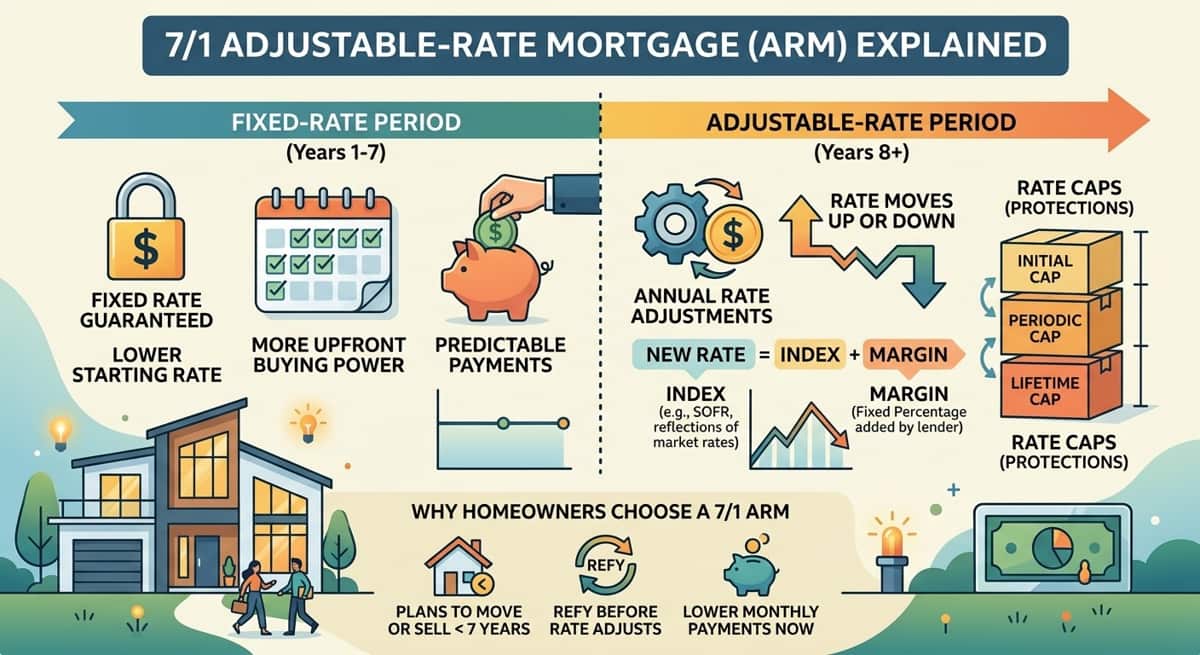
ARMs often start with a lower initial rate than fixed loans, which can work well if you plan to sell or refinance before the adjustable period kicks in. Fixed rates offer predictability instead. The right choice depends on how long you plan to stay in the home and your comfort with future rate changes.
9. Work With a Mortgage Advisor Who Shops Wholesale Rates
An advisor with access to wholesale pricing across multiple lenders can often find options you won't see shopping retail on your own. Beyond just finding a number, a good advisor helps you weigh trade-offs points versus no points, term length, timing based on your actual goals, not a one-size-fits-all quote.
Special Considerations for Home Equity & Refinancing Borrowers
If you're refinancing or borrowing against your home's equity, a few additional factors come into play that first-time buyers don't usually deal with.
Rate-and-Term Refinance vs. Cash-Out Refinance
A rate-and-term refinance simply replaces your existing loan with new terms, often to secure a lower rate or change your loan length. A cash-out refinance lets you borrow against your equity for cash, but typically comes with a slightly higher rate since you're increasing your loan balance and the lender's risk. Understanding which one fits your goal saving money versus accessing funds shapes which rate you'll be offered.
HELOC vs. Home Equity Loan: Which Gets a Better Rate?
HELOCs and Home equity loans have much differences. Home equity loans usually carry fixed rates, giving you predictable payments over the loan's term. HELOCs typically start with variable rates tied to a benchmark index, which can be lower initially but fluctuate over time. Your choice often comes down to whether you value payment stability or flexible access to funds as you draw them.
Calculating Your Refinance Break-Even Point
Refinancing isn't free closing costs apply, just like with your original loan. Your break-even point is the moment your monthly savings catch up to those upfront costs. If you plan to stay in the home well beyond that point, refinancing usually makes financial sense; if you might move sooner, the math may not favor it.
How Home Equity Affects Your New Rate
The more equity you have, the lower your LTV and lenders reward that with better pricing. If your home's value has risen since you purchased it, or you've paid down a meaningful chunk of your balance, you may qualify for a better rate than you originally received, even without a major credit score change.
Common Mistakes That Cost Borrowers a Lower Rate
Applying with only one lender. Accepting the first quote you receive means you have nothing to compare it against, and you could be leaving real savings on the table.
Making large purchases before closing. Financing a car or furniture right before closing can shift your DTI and jeopardize your approved rate or terms.
Ignoring APR vs. interest rate difference. The interest rate alone doesn't tell the full story APR includes fees and gives a more accurate picture of the loan's true cost.
Letting too many hard credit inquiries stack up. Spreading out unrelated credit applications (like for a new credit card) around your mortgage application can unnecessarily lower your score.
Not accounting for closing costs in refinance math. A lower rate doesn't automatically mean savings if the upfront costs outweigh what you'll save monthly before you plan to sell or refinance again.
DIY Rate Shopping vs. Working With a Mortgage Advisor
Shopping for a mortgage on your own is entirely possible comparing lender websites, requesting quotes, and reading the fine print yourself. It takes time and a willingness to dig into details like APR, lock periods, and lender fees, but it puts you in the driver's seat.
Working with a mortgage advisor shifts that workload. Advisors often have access to wholesale pricing across multiple lenders, meaning they can compare options you wouldn't see shopping retail. They can also guide you on timing, help you weigh fixed versus adjustable options, and bring specific expertise if you're navigating a home equity loan, HELOC, or refinance situations with more moving parts than a standard purchase loan.
If you'd rather have an expert do the comparison shopping and explain your options in plain language, scheduling a consultation with a licensed advisor is often the faster, less stressful route.
Final Thoughts: Get a Personalized Rate Quote
Your mortgage rate isn't fixed by chance it's shaped by your credit score, your down payment or equity position, your debt-to-income ratio, and how diligently you shop around. Small, deliberate steps in each of these areas can add up to meaningful savings over the life of your loan.
The best next step is getting a rate quote tailored to your actual financial picture. Schedule a consultation with a licensed mortgage advisor to see where you stand and what options make sense for your goals.
Rates vary based on individual credit profiles, loan types, and lender pricing. This article is intended for general educational purposes and doesn't constitute a rate guarantee or personalized financial advice.