
If you’ve been watching the housing market over the last few years, you know it’s been a wild ride. After the heavy rate hikes of 2022 and 2023, we saw some breathing room when the Federal Reserve pulled back on borrowing costs. But early 2026 has brought fresh economic twists, leaving many homeowners wondering if they missed their chance or if a smart refinance optimization strategy is still on the table.
Here is the straightforward truth: you do not need to wait for a massive, dramatic collapse in current mortgage rates to save money. For many families, a drop of just 0.5% to 0.75% below their current rate is enough to trigger significant lifetime savings, especially if you are looking to tap into your home equity or drop expensive mortgage insurance.
Consultant Statement: As a licensed Mortgage Advisor specializing in home equity solutions and refinancing, I review hundreds of personal financial profiles every month. This guide is built to give you a clear, realistic playbook for navigating today's shifting market safely and confidently.
What Does "Refinancing Your Mortgage" Actually Mean in 2026?
At its core, refinancing simply means replacing your current mortgage with a new one — ideally with better terms. Think of it like trading in an old phone plan for a newer one that costs less every month. Same phone, better deal.
There are two ways most homeowners refinance:
Rate-and-term refinance - This is the most common type. You're keeping your home but getting a new loan at a lower mortgage rate, a shorter loan term, or both. For example, switching from a 30-year fixed-rate loan to a 15-year one can save you tens of thousands in interest over time, even if your monthly payment stays similar.
Cash-out refinance - Here, you borrow more than what you owe and pocket the difference as cash. It's a way to put your home equity to work whether that's paying off high-interest debt, funding a renovation, or handling a big expense.
As of 2026, the lending environment has shifted meaningfully. According to Freddie Mac's Primary Mortgage Market Survey, rates have moved enough that many homeowners who bought or last refinanced between 2022 and 2023 now have a real window worth looking at.
Most clients I work with come in thinking refinancing is complicated — it usually isn't, once you know the two questions to ask first.
The "Rate Drop Rule" — How Much Does Your Rate Need to Fall?
You've probably heard the old advice: "Don't refinance unless rates drop by at least 1%." It's been passed around for decades and it's not wrong exactly, but it's not the whole picture either.
Here's the problem with the 1% rule: it tells you nothing about how long you plan to stay in your home. And that's actually the number that matters most.
A smarter way to think about it is the break-even point — the moment when your monthly savings officially outweigh what you spent to refinance. The math is simple:
Closing Costs ÷ Monthly Savings = Break-Even Month
Let's put real numbers to it. Say your refinance comes with $6,000 in closing costs and lowers your monthly payment by $180. Divide $6,000 by $180 and you get 33 months — just under three years. If you plan to stay in your home past that point, refinancing puts real money back in your pocket. If you're planning to move in two years, it probably isn't.
Even a 0.5% rate drop can make sense with low closing costs and a long time horizon. A 1% drop might not make sense if you're moving soon.
The Consumer Financial Protection Bureau (CFPB) recommends this same break-even approach when evaluating whether a refinance is worth pursuing and it's the first calculation I run for every client who walks through my door.
5 Clear Signs It's the Right Time to Refinance in 2026
Not sure if refinancing is right for you? Run through these five signals. The more boxes you check, the stronger the case for at least having a conversation with a mortgage advisor.
1. Your current rate is 1.5% or more above today's market rate
In the current 2026 lending environment, a gap of 1.5 percentage points or higher is where refinancing starts making a meaningful difference in your monthly payment and total interest paid. If you locked in your rate during the 2022–2023 peak and haven't looked since, there's a good chance that gap exists and it's worth finding out.
2. You've built at least 20% equity in your home
Once your loan-to-value ratio hits 80% or better, two things happen in your favor. First, if you've been paying private mortgage insurance (PMI), you can drop it — which alone can save $100–$200 a month for many homeowners. Second, lenders reward lower-risk borrowers with access to better rate tiers. More equity means more leverage when it comes to your loan terms.
3. Your credit score has gone up since you first got your mortgage
Lenders price risk through your credit score, and even a moderate improvement can move you into a better rate category. Generally speaking, scores around 680 unlock solid conventional rates, while scores of 740 and above tend to qualify for the best pricing available. If your score has climbed since you originally closed, a refinance could reflect that progress in your monthly payment.
4. You plan to stay in your home for at least three more years
As we covered with the break-even calculation, refinancing has upfront costs and you need time to recoup them. Three years is a practical minimum for most refinance scenarios to actually pay off. If a move is on the horizon in the next year or two, it's worth running the numbers carefully before committing.
5. You want to pay your home off faster
Switching from a 30-year mortgage to a 15-year loan especially when rates have dropped can save you a substantial amount in interest over the life of the loan. On a $300,000 balance, the difference can easily exceed $80,000 in total interest savings. Your monthly payment may go up modestly, but the long-term financial picture often looks dramatically better.
If one or two of these apply to you, it's worth a closer look. If three or more hit home, a refinance conversation with a licensed mortgage advisor should probably move up your to-do list.
When Home Equity Refinancing Makes Especially Good Sense
If you've owned your home for several years, there's a good chance you're sitting on more equity than you realize — and in the right circumstances, that equity can do some serious heavy lifting.
Home equity refinancing is most worth exploring when you have a specific financial goal: paying off high-interest credit card debt, funding a home renovation that adds value, covering tuition, or handling a large expense that would otherwise go on a high-rate loan. The idea is simple — you're borrowing against what you already own, usually at a much lower interest rate than any credit card or personal loan could offer.
Cash-out refinance vs. HELOC — which one fits your situation?
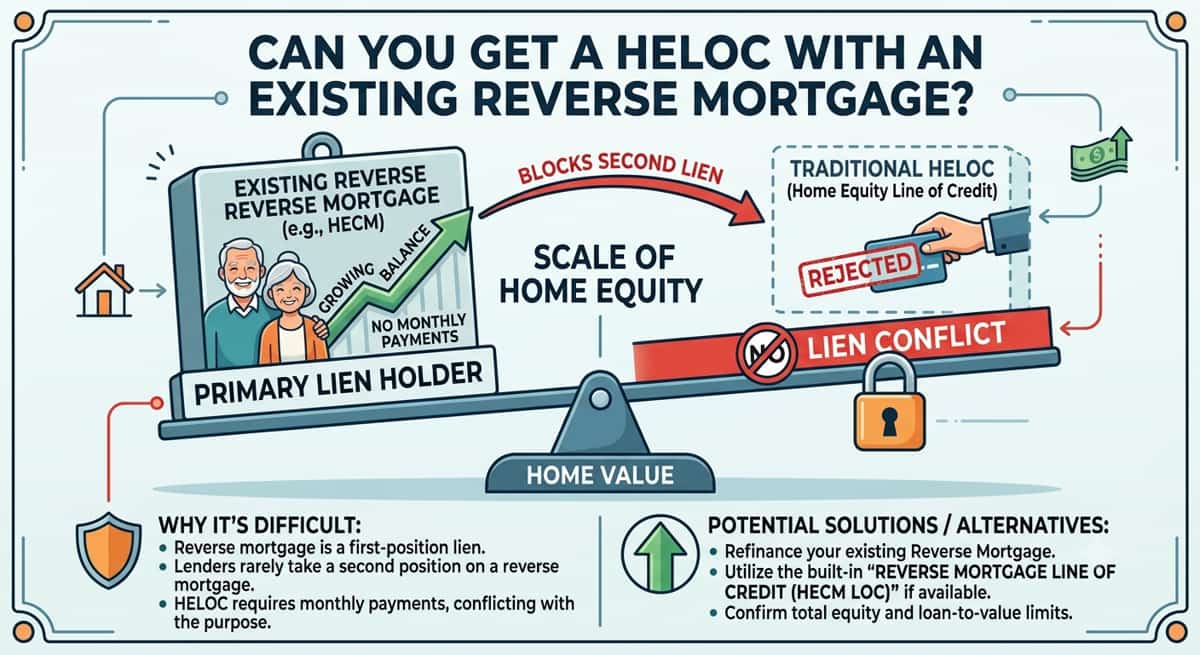
A cash-out refinance replaces your existing mortgage with a larger one and gives you the difference in cash. A HELOC (Home Equity Line of Credit) works more like a credit card tied to your home you draw from it as needed. If you have one large, defined expense, a cash-out refinance often makes more sense. If your needs are ongoing or unpredictable, a HELOC gives you more flexibility.
"But doesn't this put my home at risk?"
It's a fair question and an important one. Any time you borrow against your home, there's responsibility attached. The key is making sure the new loan fits comfortably within your budget, which means looking carefully at your loan-to-value ratio and your debt-to-income ratio before moving forward. That's exactly why working with a specialist matters here.
I always run a five-year total cost comparison for clients considering a cash-out refinance and the numbers often surprise people in a good way.
What Mortgage Lenders Are Looking For Right Now (2026 Qualifying Criteria)
Before you get too far into the refinance process, it helps to know what lenders are actually looking at. Here's what I'm seeing across the board right now:
Credit score: For a conventional loan refinance, most lenders want a minimum score of 620. But if you want access to the best rates on the market, 740 and above is where you want to be. Everything in between still works; you just may not get the lowest tier pricing.
Debt-to-income ratio (DTI): Lenders generally allow up to 43–45% DTI, meaning your total monthly debt payments shouldn't exceed that share of your gross monthly income. The sweet spot lenders prefer to see is 36% or lower the lower, the stronger your application looks.
Loan-to-value ratio (LTV): An LTV of 80% or below puts you in the best position — no PMI, better rates. Lenders will go up to 97% LTV on some conventional loans, but PMI applies and rates are less competitive.
Home appraisal: Most refinances require a current appraisal to confirm what your home is worth today. In some cases particularly with FHA streamline refinances the appraisal requirement is waived entirely, which can speed up the process and reduce upfront costs significantly.
How to Calculate Your Personal Refinance Break-Even Point (Step-by-Step)
The break-even calculation sounds technical, but it's genuinely one of the simpler things you'll do in this process. Here's exactly how to run the numbers yourself:
Step 1: Find your current monthly principal and interest payment Pull up your most recent mortgage statement. You're looking for the principal and interest portion only not taxes or insurance, which vary and aren't affected by refinancing.
Step 2: Request a Loan Estimate from a lender Once you apply, lenders are legally required to send you a Loan Estimate within three business days. This document lays out your new projected monthly payment and all closing costs in plain, standardized language — making it easy to compare offers side by side.
Step 3: Note your new estimated monthly payment Your Loan Estimate will show exactly what your payment would be at the new rate.
Step 4: Calculate your monthly savings Subtract your new payment from your current one. That difference is your monthly savings.
Step 5: Divide your total closing costs by your monthly savings The result is your break-even month the point where refinancing officially starts paying you back.
Quick example: $5,400 in closing costs ÷ $150 monthly savings = 36 months. Stay past month 36 and you're ahead.
I walk every client through this exact calculation in our first consultation — it takes about 10 minutes and immediately answers the question most people actually came in asking.
Ready to see your numbers? Use our free refinance break-even calculator below to run your personal estimate in under two minutes.
Common Refinancing Mistakes to Avoid in 2026
Refinancing can be a genuinely smart financial move but a few avoidable mistakes can quietly eat into your savings or catch you off guard at closing. Here's what I see come up most often:
Resetting your loan term without realizing it If you're 8 years into a 30-year mortgage and you refinance into a new 30-year loan, you've just added 8 years back onto your payoff timeline even if your monthly payment drops. I've seen homeowners save $200 a month but pay an extra $40,000 in total interest over the life of the loan. Always look at the full picture, not just the monthly number.
Rolling closing costs into the loan without doing the math Folding your closing costs into the new loan balance feels painless upfront but you'll pay interest on those costs for the life of the loan. I've seen this quietly add thousands to what looked like a money-saving refinance.
Opening new credit before your refinance closes A new credit card, a car loan, a store financing application any of these can trigger a hard inquiry and shift your debt-to-income ratio right when your lender is finalizing your file. I've seen closings delayed or rates repriced because of activity in the final weeks. Hold off on any new credit until after you've closed.
Getting only one rate quote The CFPB specifically recommends comparing quotes from at least three lenders and for good reason. Rates and fees vary more than most people expect, even for the same loan type. Shopping around is one of the easiest ways to save money in this process.
Assuming the advertised rate is the rate you'll get Online rate quotes are based on ideal borrower profiles. Your actual offered rate depends on your credit score, loan-to-value ratio, property type, and loan amount. The advertised rate is a starting point, not a promise — always ask for a full APR breakdown before comparing offers.
Working With a Mortgage Advisor for Your Refinance — What to Expect
If you've only ever worked with a single bank or an online lender, the experience of working with an independent mortgage advisor can feel noticeably different and usually in your favor.
A licensed mortgage consultant has access to multiple lenders and loan products, which means we're shopping the market on your behalf rather than presenting you with one option and calling it a day. We also look at your full financial picture, your equity position, your goals, your timeline and build a refinance strategy around that, not around what's easiest to process.
Here's what to have ready when we talk:
Your two most recent pay stubs
Last two years of W-2s
Your most recent mortgage statement
Most recent two years of tax returns
From application to closing, most refinances take 30 to 45 days. I'll walk you through every step so nothing comes as a surprise.
Is 2026 the Right Year to Refinance? Here's How to Know
Refinancing comes down to three key factors: how much lower today’s rates are compared to your current mortgage, whether your break-even point happens well before you plan to move, and what role you want your home to play in your financial life over the next few years.
If those three pieces align, refinancing could be a smart financial move and a conversation worth having. If they don’t, the better decision may be to wait and a trustworthy advisor should be just as willing to tell you that.