
As a professional Loan Officer and Mortgage Consultant, I spend my days navigating the complex landscape of property finance, especially when it comes to Home Equity and Refinancing. Few topics generate as much confusion and excitement as the assumable mortgage.
Simply put, a mortgage assumption allows a property buyer to take over the existing loan, including the current interest rate, repayment schedule, and outstanding balance, from the seller (the original borrower). In today’s high-rate environment, the idea of inheriting a low, historical interest rate is extremely attractive, making assumability a potent but often misunderstood selling point.
The process of assuming a mortgage is not, however, as simple as signing a document; it is governed by specific legal clauses that are critical to both the buyer's financial future and the seller's liability. Because this process touches upon your personal finance and housing—core YMYL (Your Money or Your Life) areas—it demands expert clarity and caution.
This guide will demystify this complex transaction by answering the two most critical questions you need to understand before proceeding:
- When does a mortgage really become fully assumable? We will dive into the specific legal contracts and the rare exceptions that permit this transfer, focusing on the mortgage assumability legal clauses that dictate the rules.
- Is it worth the risk? We will provide a balanced financial analysis, weighing the benefit of a low-interest rate against the significant upfront cash requirement and the ongoing liability risks for the seller.
Proceed with confidence, armed with the precise knowledge needed to assess this unique path to homeownership.
The Legal Framework: Analyzing "Mortgage Assumability Legal Clauses"
To answer the pivotal question of when a mortgage really becomes assumable, we must move past hearsay and examine the actual mortgage assumability legal clauses embedded in loan contracts. For the vast majority of U.S. mortgages, assumption is not the rule—it is the rare exception.
The Due-on-Sale Clause: The Standard Legal Barrier
The primary obstacle to mortgage assumption is the nearly universal Due-on-Sale Clause, formally known as the acceleration clause. This clause is a standard inclusion in almost all conventional mortgages, including those offered by Fannie Mae and Freddie Mac.
What it means is straightforward: upon the sale or transfer of the title of the property, the lender has the contractual right to demand immediate repayment of the entire outstanding loan balance. If this clause is triggered, the buyer cannot simply take over the loan; the loan must be paid off in full (either with a new mortgage or cash).
This right was cemented by the Garn-St. Germain Depository Institutions Act of 1982. This federal law affirmed the enforceability of due-on-sale clauses across the country, preventing borrowers from unilaterally transferring a mortgage without lender approval. In short, if your mortgage contains a Due-on-Sale Clause and is not a government-backed loan, the legal answer to Is it assumable? is almost always no, unless the lender explicitly and voluntarily consents to the transfer—a rarity in a rising interest rate environment. This clause is the cornerstone of why most transfers require a complete payoff.
The Three Primary Exceptions: FHA, VA, and USDA Loans
The clearest exceptions to the Due-on-Sale Clause, and the primary source of all legally assumable mortgages, are those backed by the U.S. government: FHA loans, VA loans, and USDA loans.
These loans contain specific mortgage assumability legal clauses that permit the assumption of the loan, provided certain regulatory conditions are met. This is a crucial distinction that allows a buyer to potentially inherit a lower, fixed interest rate.
However, the assumption is not automatic. It is subject to mandatory lender consent and rigorous buyer qualification requirements:
- FHA and USDA Loans: For FHA and USDA loans originated after 1989, the lender must review the prospective borrower’s credit, income, and debt-to-income (DTI) ratio. The buyer must meet the same underwriting standards as a borrower applying for a new loan.
- VA Loans: VA loans are arguably the most assumption-friendly, but still require the buyer to be creditworthy. Furthermore, if the new buyer is not an eligible veteran, the original veteran borrower's VA entitlement (the portion the VA guarantees) will remain tied up with the assumed loan until it is paid off. This is a significant risk and liability consideration for the seller.
Crucially, the legal language for these assumptions requires formal application and approval. Skipping this mandatory qualification step constitutes a breach of the contract and will trigger the Due-on-Sale enforcement, negating any benefit.
Divorce, Death, and Non-Purchasing Transfers
Beyond the government-backed loan programs, there are specific, legally protected scenarios where property title may be transferred without triggering the Due-on-Sale Clause. These are not assumptions in the sense of a standard real estate purchase, but exceptions granted under the Garn-St. Germain Act itself to protect family interests.
The most common non-purchasing transfers that override the acceleration clause include:
- Transfers Upon Death: Transfer of the property to the original borrower's immediate next-of-kin upon their death.
- Transfers to a Relative: Transfer of the dwelling to a spouse or children.
- Transfers Due to Divorce or Legal Separation: Transfers resulting from a court decree or a property settlement agreement where one spouse gets the home.
- Transfers to an Inter Vivos Trust: Transfers into a living trust where the borrower remains a beneficiary and occupant.
In these situations, the lender cannot invoke the Due-on-Sale Clause, and the person inheriting the title is legally allowed to continue making payments under the original terms. While these scenarios do not involve a traditional "sale," they represent an important legal pathway for transfer under existing mortgage assumability legal clauses, ensuring that life events do not result in foreclosure.
The Assumability Process: Expert Steps for Transfer and Liability Management
Once you confirm that a mortgage contains the necessary legal clauses to allow for assumption (typically FHA, VA, or USDA), the next phase is executing the transfer. This is where an experienced mortgage advisor is essential, as the process is highly regulated and includes critical steps for managing legal liability for the original borrower (the seller).
Pre-Qualification and Lender Consent: The Mandatory Approval Stage
The greatest myth surrounding assumable mortgages is that the transfer is automatic. It is not. Even with a legally assumable loan, the lender’s formal consent is the mandatory first step. The lender is required to protect their financial interest by confirming that the new borrower (the assuming party) is creditworthy.
The assuming buyer must undergo a full pre-qualification and application process that mirrors applying for a brand-new mortgage. This process typically involves:
- Formal Application: Submitting a detailed loan application to the original servicer.
- Credit Review: The lender pulls a credit report and scores the buyer to ensure they meet minimum FHA, VA, or USDA credit standards.
- Income and Asset Verification: Providing pay stubs, W-2s, and bank statements to verify income and ability to repay.
- Debt-to-Income (DTI) Analysis: The buyer's DTI must fall within acceptable limits to prove the loan is affordable.
If the assuming party fails to meet the lender’s current underwriting standards, the assumption will be denied. This mandatory approval stage ensures that the legal transfer is financially sound and protects the loan’s security. Attempting to execute an assumption without this formal approval violates the loan contract and can result in the lender calling the loan due.
Novation vs. Simple Assumption: Understanding Seller Liability
For the seller, this is the most financially critical component of the entire assumability process. When an assumption is approved, there are two primary legal outcomes regarding the seller's future liability, and only one offers true peace of mind:
- Simple Assumption (Assumption Without Release of Liability): In this scenario, the buyer takes over the debt payments, but the original borrower (the seller) remains legally and financially responsible for the debt. If the buyer defaults on the payments, the lender can and will pursue the original borrower for repayment. This risk is unacceptable for most financial planners and can severely affect the seller’s ability to qualify for future financing, such as a home equity loan or a mortgage on a new property.
- Assumption with Novation (Assumption With Release of Liability): This is the gold standard. Novation is the legal process where the lender formally agrees, in writing, to release the original borrower from all liability on the loan. The buyer fully replaces the seller as the sole, obligated party. Once novation is secured, the original loan no longer appears as a liability on the seller’s credit report, and they are free to pursue new financing without hindrance.
As a seller, you must insist on a release of liability (Novation) as part of the assumption agreement. If the lender denies the novation—which sometimes happens—the financial risk of a simple assumption is rarely worth the sale benefit. Consult with an attorney and a mortgage advisor to review the final assumption paperwork, ensuring that you receive a clear, documented release to protect your financial future.
Risk vs. Reward: Is Assuming a Mortgage Worth the Risk for a Buyer?
For a potential buyer, the core motivation for assuming a mortgage is always financial: securing a lower, sub-market interest rate.1 However, to accurately evaluate if assumption is a genuine deal or a financial trap, you must weigh the clear advantage of the low interest rate against the significant upfront capital requirement and the potential hidden risks.
The Interest Rate Benefit vs. The Cash-Up Requirement
The most challenging financial hurdle for the buyer in an assumption is the cash-up requirement. When you assume a mortgage, you only take over the remaining loan balance. You must pay the seller the difference between the agreed-upon purchase price and that outstanding loan balance, which is the seller’s equity in the home. This amount must be paid in cash at closing.
Example:
- Purchase Price: $400,000
- Remaining Assumable Loan Balance: $250,000
- Cash-Up Requirement: $150,000 (must be paid by the buyer)
If you were to take out a new conventional mortgage, that $150,000 might be covered by a smaller down payment and a larger loan. In the assumption scenario, you must source the full $150,000 in liquid funds.
Therefore, the financial evaluation is a trade-off: Are the long-term savings from a significantly lower interest rate worth sacrificing your liquidity and depleting your cash reserves for the massive upfront cash payment? For many buyers, especially first-time homebuyers with limited capital, the cash requirement makes an otherwise appealing low-rate assumption financially impossible.
Hidden Pitfalls: Escrow Shortages, PMI, and Servicing Transfers
The excitement over a low interest rate can cause buyers to overlook several hidden liabilities they may inherit along with the loan. These issues, if not properly managed during closing, can lead to unexpected out-of-pocket costs immediately after closing:
- Escrow Shortages: If the seller was under-escrowed for property taxes or insurance, the buyer may inherit an escrow shortage. The lender will quickly adjust the monthly payment upward or demand a lump sum to correct the deficit. You are essentially paying for the seller's past insufficient contributions.
- Private Mortgage Insurance (PMI): If the original loan had PMI because the seller’s equity was less than 20% at the time they bought the house, that PMI obligation often transfers to the new buyer, adding an expense until the original loan-to-value (LTV) is brought below 80%.
- Servicing Transfers: The administrative process of transferring the loan can be cumbersome. If the loan servicer is slow or inaccurate in updating the borrower information, payments could be misapplied, potentially leading to unnecessary fees or credit issues.
A thorough review of the seller’s escrow account history and PMI status by your consultant is essential before finalizing the deal.
The Market Context: When Assumability Makes Financial Sense
The ultimate value of an assumable mortgage is entirely dependent on the prevailing interest rate environment. This requires careful financial modeling to determine the true benefit:
- In a Low-Interest Rate Environment: If current market rates are similar to or slightly above the assumed rate, the large cash-up requirement (paying the seller’s equity) often far outweighs the minimal interest savings. In this case, assumption is generally not worth the risk or the effort.
- In a High-Interest Rate Environment (Like Today): When the current market rate is two, three, or more percentage points higher than the assumed loan rate, the savings can be enormous. The difference between a 3.5% assumed rate and a 7.0% current rate can save hundreds of thousands of dollars over the life of the loan, often making the large upfront cash-up requirement a worthwhile investment—provided the buyer has the liquidity.
Ultimately, the decision to assume a mortgage is a strategic one that balances immediate cash expenditure against long-term financial gain. It is a calculated gamble, and only a full side-by-side comparison of the projected monthly payments and total interest paid versus a new mortgage will reveal whether the risk is truly justified.
Loan Officer’s Perspective: Assumable Mortgages, Home Equity, and Refinancing
As an advisor who specializes in maximizing home equity and navigating the various forms of refinancing, I view assumable mortgages not just as a transfer of debt, but as a strategic tool that affects the financial lifecycle of the property and its owner. Understanding how assumption interacts with future equity management is crucial for both buyers and sellers.
How an Existing Assumable Mortgage Impacts Future Refinancing
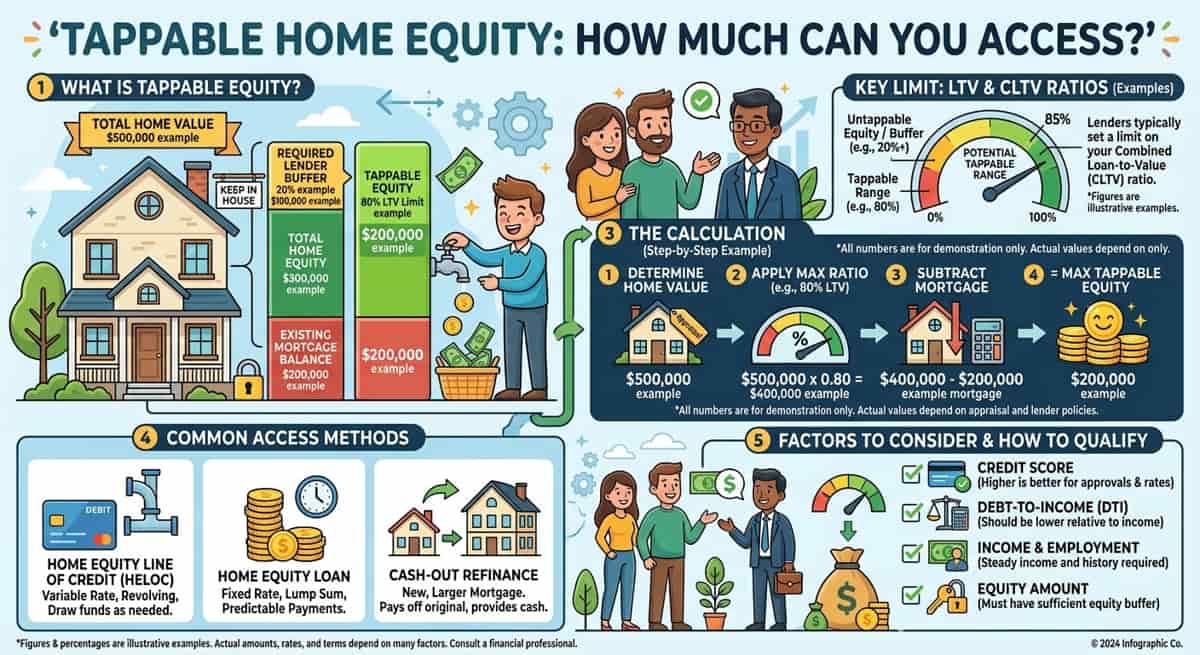
For the buyer who successfully assumes a mortgage, the loan effectively becomes their primary financing. While they benefit from the low rate, they must recognize how this impacts their ability to access cash down the line through refinancing or a Home Equity Line of Credit (HELOC).
When the assumed loan balance is low, the homeowner is sitting on significant equity. If they later need cash for a renovation or education, they have two main options:
- HELOC or Home Equity Loan: They can take out a second mortgage against the equity that sits above the assumed loan balance. This is often the preferred strategy, as it preserves the low assumed interest rate on the first mortgage.
- Cash-Out Refinance: They can refinance the entire assumed loan. While this grants the largest amount of cash, it means the homeowner must intentionally trade the valuable, low assumed interest rate for a higher, current market rate. This is usually a move of last resort, undermining the primary financial benefit of the assumption in the first place.
Assumability vs. HELOC/Cash-Out Refinance: A Strategic Alternative
For a seller looking to access their home's value, pursuing an assumable sale is only one path. There are often simpler, faster ways for sellers to liquidate their equity that don't involve the complexity of finding a qualified buyer willing to pay a large cash-up amount.
Before listing a property as assumable, sellers should explore alternative strategies for accessing their equity:
- Cash-Out Refinance: If the seller wants to use their equity to buy a new home, they could potentially execute a cash-out refinance on the existing property before the sale. This pays off the current low-rate mortgage entirely (eliminating the assumption option for a buyer) but provides the seller with a large lump sum of cash to use as a down payment on their next property.
- HELOC: If the seller just needs a moderate amount of cash but wants to keep their low-rate first mortgage (the one a buyer might want to assume), they could open a HELOC. The existing low-rate first mortgage remains intact, and the HELOC is paid off by the sale proceeds at closing.
A thorough analysis of your goals—whether it’s preserving a low rate or maximizing immediate liquidity—is required before deciding if the risk and complexity of a true assumable sale outweigh these simpler home equity alternatives.
Conclusion: Your Next Step in Navigating Assumability
The prospect of assuming a low-interest mortgage is certainly alluring, offering a powerful advantage in today's competitive and high-rate housing market. However, as this guide has detailed, the pathway to a successful assumption is littered with technical hurdles, from navigating complex mortgage assumability legal clauses to satisfying the stringent mandatory lender consent requirements.
For buyers, the core decision revolves around the challenging cash-up requirement versus the long-term interest savings. For sellers, the primary concern is the crucial need for novation (a release of liability) to protect their future financial health. Given the significant and long-lasting financial consequences for both parties, this is not a transaction to be approached lightly or without expert guidance.
Whether you are a buyer hoping to inherit a low rate or a seller considering the fastest way to access your home equity, professional consultation is non-negotiable. I specialize in dissecting these complex financial scenarios, providing the clarity and expertise needed to ensure your interests are protected.
Ready to move forward with confidence? Contact me today for a personalized consultation on whether assumption is right for your unique situation, or to explore powerful refinancing and home equity strategies that better meet your financial goals.