
For the modern real estate investor, time is more than just a metric, it is a currency. In the world of high-velocity property flipping and "BRRRR" (Buy, Rehab, Rent, Refinance, Repeat) investing, the 90-day mark is often the most critical milestone on the calendar. It represents the invisible threshold where a "flip" transitions from a speculative risk in the eyes of a lender to a seasoned asset ready for long-term financing. Understanding this timeline is the difference between scaling your portfolio and having your capital trapped in a property while high-interest bridge loans eat your margins.
Title seasoning is essentially the length of time a property owner has been recorded on the official deed. While it sounds like a simple administrative detail, it is a primary gatekeeper for the mortgage industry. Lenders use seasoning to verify that the value of the property is legitimate and not the result of "illegal flipping" a practice where properties are sold back and forth at artificially inflated prices.
The core challenge for today’s investor is the appreciation bottleneck. You may have purchased a distressed asset, invested $50,000 in renovations, and doubled the property's value within 45 days. However, despite the sweat equity and documented improvements, many traditional lenders will refuse to recognize that new value until the 90-day clock has expired. This guide explores how to navigate these requirements and the strategic steps you can take to ensure your capital stays fluid.
What exactly is the 90-Day Title Seasoning Rule?
At its core, the 90-day title seasoning rule is a timeline restriction that prevents a property from being resold or refinanced too quickly after a change in ownership. For investors, this rule is the primary obstacle to high-speed asset turnover. Lenders use this "seasoning period" to ensure that the property value is stable and that the transaction is an "arms-length" deal—meaning the buyer and seller are acting independently without a prior relationship that could lead to price manipulation.
FHA vs. Conventional vs. Portfolio Lenders
The 90-day threshold is not a universal law, but rather a set of guidelines that vary significantly depending on the loan product:
- FHA Lenders: Follow the most rigid standards, often prohibiting any resale within the first 90 days.
- Conventional Lenders (Fannie Mae/Freddie Mac): Generally more flexible on resales but maintain strict 6-month seasoning requirements for "cash-out" refinancing.
- Portfolio Lenders: These are private banks or credit unions that keep loans on their own books. They often have the "common sense" flexibility to waive seasoning if the investor can provide a clear paper trail of improvements.
The Federal Trigger: FHA Section 203.37a
The "90-day rule" is most famously codified in HUD Section 203.37a, the FHA’s anti-flipping regulation. This federal guideline explicitly states that a property is ineligible for FHA-insured financing if the contract of sale is executed within 90 days of the seller’s acquisition. This was designed to eliminate predatory flipping practices where distressed properties were shuffled through multiple owners in days to artificially inflate the price before a final sale to an unsuspecting homebuyer.
The "Double Appraisal" Requirement
If you are an investor selling a property between 91 and 180 days of ownership, you may trigger the "Double Appraisal" rule. Under FHA guidelines, if the new sales price is 100% or more than your original purchase price, the lender is required to obtain a second independent appraisal. This second valuation must specifically justify the increase in value, often requiring the appraiser to document the specific renovations and market shifts that occurred during your brief ownership. Failure to provide a second appraisal that supports the higher price can result in the loan being denied or the value being capped at the lower of the two appraisals.
Why Do Lenders Require 90 Days (or more) of Ownership?
From a borrower’s perspective, seasoning requirements can feel like arbitrary red tape designed to slow down a profitable venture. However, from a lender’s seat, these rules are essential risk management protocols. In the mortgage industry, rapid changes in title are often viewed as "red flags" for potential mortgage fraud or market instability. By enforcing a 90-day window, lenders create a cooling-off period that allows the true market value of the property to be established.
Risk Management: Preventing Fraud and Inflation
The primary goal of seasoning is to prevent straw buyer schemes and artificial price inflation. In a straw buyer scenario, an individual with good credit is used to purchase a property at an inflated price, only for the "real" investor to walk away with the excess loan proceeds, eventually leading to a default. Furthermore, rapid-fire transactions can be used to "churn" a property’s value on paper without any physical improvements being made. A 90-day pause ensures that the property has actually sat on the open market and that any increase in value is supported by time and physical renovations rather than just a series of quick deed transfers.
The Chain of Title
Underwriters perform a deep dive into the Chain of Title to ensure a clean transaction. They aren't just looking at who owns the property now; they are looking at the historical sequence of transfers. If the title has changed hands multiple times in a short window, it creates a "cloud" on the title. Underwriters verify that every previous owner had the legal right to sell and that no "phantom" liens or encumbrances were left behind during the quick transitions common in wholesale or flip deals.
Advisor Insight: Navigating Complex Histories
This is where your choice of Mortgage Advisor becomes a strategic asset. If you are dealing with a complex title history such as a property purchased via a quitclaim deed, a foreclosure auction, or a multi-member LLC standard automated underwriting systems may flag the file for rejection. An experienced advisor knows how to manually present a "narrative of value" to the underwriter, providing the necessary title abstracts and proof of improvements to overcome seasoning concerns before they derail your closing.
Impact of Seasoning on Your Refinance Strategy
For real estate investors, the word "refinance" isn't just about lowering a monthly payment it’s about capital velocity. However, your ability to execute this strategy depends heavily on whether you are seeking a Rate and Term refinance or a Cash-Out refinance. The rules for each are distinct, and miscalculating the timing can lead to a rejected application or a loan amount that falls short of your needs.
The 6-Month Conventional Rule (Fannie Mae/Freddie Mac)
While the "90-day rule" is a common benchmark for reselling a property, most conventional lenders (those who sell loans to Fannie Mae or Freddie Mac) have a stricter 6-month seasoning requirement for refinancing. Specifically, at least one borrower must have been on the title for at least six months prior to the disbursement date of the new loan. If you try to refinance on day 120, you may find that traditional banks are unwilling to move forward, regardless of how much value you've added to the property.
Cash-Out Refinancing: The 180-Day Barrier
Cash-out refinancing is the lifeblood of the "BRRRR" method. It allows you to pull your initial capital (plus profit) out of a property to fund the next deal. However, because this represents a higher risk to the lender, the seasoning requirements are firm.
- The 180-Day Rule: Most lenders require you to wait a full 6 months (180 days) before you can use the current appraised value to determine your loan amount.
- Why the wait? Lenders want to see that the property's value is sustained by the market over time, rather than a temporary spike following a quick renovation.
Rate and Term: The "No-Cash" Exception
If your goal is simply to lower your interest rate or move from a high-interest bridge loan into a 30-year fixed mortgage, you may not have to wait 180 days. A Rate and Term refinance (also known as a "Limited Cash-Out") often has more lenient seasoning.
- Exceptions: Many lenders allow a Rate and Term refinance with no seasoning if you are not taking any cash out (other than a small amount, typically the lesser of 1% of the loan or $2,000).
- The Catch: While you can refinance early, the lender may cap your new loan amount based on the original purchase price plus documented improvements, rather than the new, higher appraised value.
Current Appraised Value vs. Purchase Price + Improvements
This is a critical distinction for flippers. If you refinance before the 6-month mark, the lender will typically use the lower of:
- The current appraised value.
- The price you paid for the property plus the actual cost of renovations you can prove with receipts.
Once you cross the 6-month seasoning threshold, most lenders will finally allow you to use the full current appraised value, potentially giving you access to significantly more equity.
Strategies for Refinancing Investment Property Before 90 Days
For many high-volume investors, waiting 90 to 180 days to recapture capital is an expensive delay. Fortunately, the "90-day rule" is not an absolute barrier for those who know how to navigate the alternatives. By utilizing specific loan exceptions and specialized lending products, you can often bypass the traditional seasoning clock.
Hard Money Take-outs and Delayed Financing
The most common way flippers move through the seasoning period is by starting with Hard Money. Because hard money lenders are asset-based and do not sell their loans to Fannie Mae or Freddie Mac, they typically have zero seasoning requirements.
However, the goal is usually to "take out" that high-interest hard money loan with long-term debt as soon as the rehab is finished. This is where the Delayed Financing Exception becomes a powerful tool.
The Delayed Financing Exception: Cash Back Immediately
Under Fannie Mae guidelines, there is a specific loophole for investors who purchase properties with 100% cash. If you buy a property without any financing at the time of purchase, you can perform a "cash-out" refinance immediately—even on Day 1.
Key requirements for Delayed Financing include:
- The purchase must have been an "arms-length" transaction (not bought from a relative).
- You must provide a settlement statement (CD) proving no financing was used.
- You must document the "source of funds" used for the original cash purchase.
- The new loan amount cannot exceed your original investment (purchase price plus closing costs), unless you wait the standard 6 months for a full appraisal-based cash-out.
Portfolio & DSCR Loans: The Investor’s Best Friend
If you didn't pay cash and aren't eligible for Delayed Financing, DSCR (Debt Service Coverage Ratio) loans are the primary alternative. Unlike big banks that follow rigid federal guidelines, DSCR lenders focus on the property’s ability to generate rent to cover the mortgage.
Many DSCR lenders offer "No Seasoning" or "90-Day Seasoning" programs.
- 0–3 Months: Some lenders will allow a refinance but may cap the loan at 100% of your Cost Basis (Purchase Price + Documented Renovations).
- 3–6 Months: Many will allow you to use the New Appraised Value but may reduce the LTV (Loan-to-Value) to 70% to account for the lack of seasoning.
- Why they are flexible: These lenders hold the risk themselves and understand that a professional renovation creates instant value that the 90-day rule fails to recognize.
The LLC Transfer: A Warning for Investors
A common mistake investors make is moving a property from their personal name into an LLC shortly after purchase for liability protection.
Warning: This can "reset" the seasoning clock with some lenders. While you are technically the same owner, a change in the "legal entity" on the deed can be interpreted by a traditional underwriter as a new transfer of ownership. If you plan to refinance within the first 6 months, it is often safer to either:
- Purchase the property in the LLC name from the start.
- Wait until the refinance is complete before transferring the title.
Always consult with your mortgage advisor before moving a deed, as a simple "Quitclaim" to your LLC could cost you months of waiting for your next cash-out.
Proving Value: What Your Mortgage Advisor Needs
When you are attempting to bypass or work within the 90-day seasoning window, the burden of proof shifts to you. To a lender, a property that doubles in price in three months looks like a risk; to an investor, it’s a successful project. To bridge this gap, you must provide a "Value Narrative" backed by a meticulous paper trail. As an advisor, I have seen loans that should have been "slam dunks" get rejected simply because the investor couldn't prove where the money went.
The "Paper Trail": Itemizing Your Investment
If you are refinancing before the six-month mark, most lenders will cap your loan based on your cost basis. To maximize your loan amount, you must provide an itemized list of all renovations.
- Detailed Invoices: Avoid "lump sum" receipts. Lenders want to see broken-down costs for materials and labor.
- Permits: If you moved walls or updated electrical systems, providing city permits proves the work was done to code and adds tangible legal value to the asset.
- Contractor Waivers: Lien waivers from your contractors show the underwriter that there are no "hidden" debts that could result in a mechanic's lien on the title.
Before/After Photos: Helping the Appraiser
The appraiser is the most important person in your seasoning journey. They may not be familiar with the "shack" the property was before you started.
- The Photo Pack: Create a digital folder of high-resolution "Before" photos side-by-side with "After" photos.
- The Upgrade List: Provide a "Scope of Work" summary for the appraiser to take with them. If you installed a high-efficiency HVAC or Grade-A quartz countertops, make sure they don't miss those details. This helps them justify a higher valuation despite the short holding period.
Proof of Funds (POF) and the Closing Disclosure
Lenders must verify the Source of Funds for your initial purchase to rule out money laundering or "gift" funds that aren't actually yours.
- The Original CD: Keep a copy of the Closing Disclosure (or HUD-1) from your purchase.
- Bank Statements: You will likely need to show the bank statement where the cash for the purchase and the renovations originated.
By having this "Investor Binder" ready on Day 1, you demonstrate a level of professionalism that gives underwriters the confidence to approve your loan despite the short seasoning.
Leveraging Home Equity for Your Next Acquisition
For real estate flippers and long-term landlords, equity is more than just "paper wealth" it is the fuel for future acquisitions. Once you have cleared the initial 90-day seasoning hurdle and stabilized your property, you have two primary vehicles for accessing your built-up equity: the Home Equity Line of Credit (HELOC) and the Home Equity Loan (HELOAN). Understanding which tool fits your specific investment cycle is essential for maintaining a healthy "cash-on-cash" return.
HELOC vs. HELOAN: Which is Better for an Investor?
The choice between a line of credit and a lump-sum loan depends on your immediate needs:
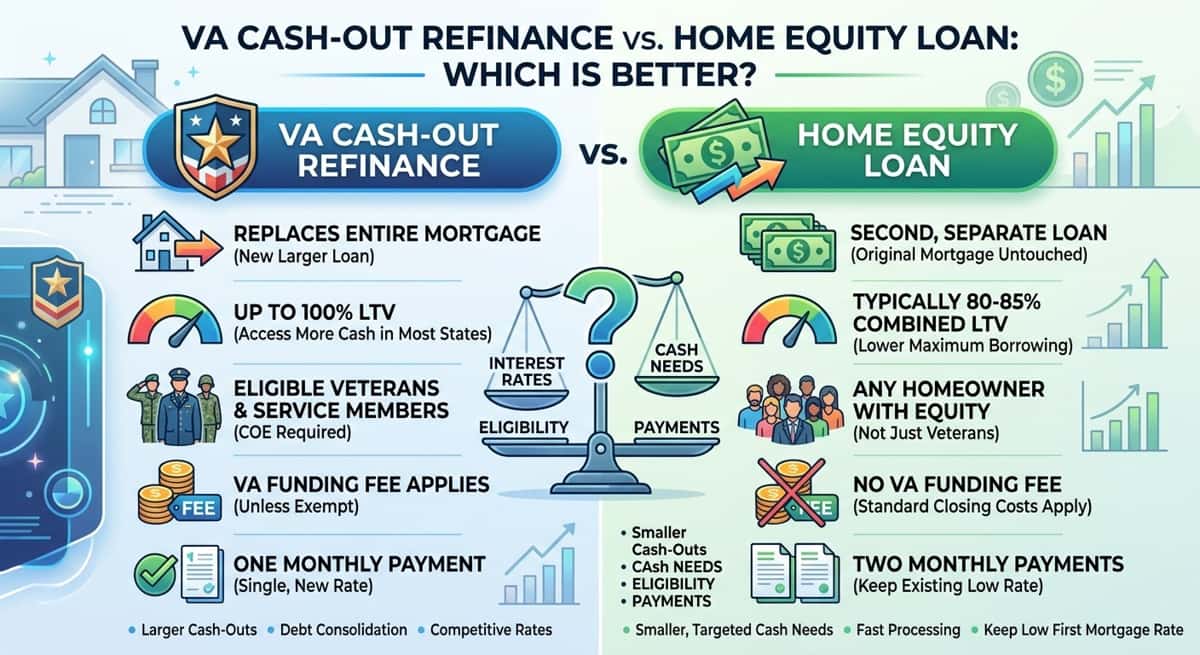
- HELOC (The Flexible "War Chest"): A HELOC functions like a credit card secured by your property. It provides a revolving balance that you can draw from as needed. For an investor, this is ideal for funding unexpected repair costs on a new flip or having a "down payment fund" ready the moment a distressed property hits the market. You only pay interest on what you use.
- HELOAN (The Predictable Lump Sum): A HELOAN provides a one-time payout with a fixed interest rate. This is often the better choice if you have a specific, fixed-cost project—such as a major addition or a full-scale renovation—where you want the security of a consistent monthly payment.
- +1
The Non-Owner Occupied Challenge
It is a common misconception that you can only get a HELOC on the home you live in. While "Non-Owner Occupied" (NOO) equity products are rarer and carry stricter requirements, they are a staple for professional investors.
Lenders view rental properties as higher risk because, in a financial crisis, an owner is more likely to stop paying for an investment property before their primary home. Because of this, you should expect:
- Lower LTV Caps: Usually limited to 70% or 75% Combined Loan-to-Value (CLTV), compared to 85% for primary homes.
- Higher Rates: Expect a premium of 1% to 2% over primary residence rates.
- Reserve Requirements: Lenders may require 6–12 months of "liquid reserves" to ensure you can cover the debt during a vacancy.
Advisor Insight: Calculating Your Return on Equity (ROE)
Many investors fall into the "Equity Trap"—feeling successful because they have $300,000 in equity but only making $500 a month in cash flow. As your advisor, I look at your Return on Equity (ROE).
ROE ={Annual Net Profit}}/{{Total Property Equity}}
If your property is worth $500,000 and you have $250,000 in equity, but it only produces $10,000 in annual profit, your ROE is a mere 4%. In today’s market, you could potentially refinance, pull out $150,000, and use it to buy two more properties that each produce $8,000 in profit. By re-leveraging that "dead equity," you can exponentially increase your total portfolio income.
Don’t Let Seasoning Rules Stall Your Growth
The 90-day title seasoning rule is one of the most misunderstood hurdles in real estate investing, but it doesn't have to be a barrier to your success. While federal guidelines and traditional banking policies create a structured timeline for resale and refinancing, they are not insurmountable walls. For the savvy investor, these rules are simply variables to be accounted for in a comprehensive acquisition and exit strategy. Whether you are navigating FHA anti-flipping regulations or looking to recapture capital via the Delayed Financing exception, the key is preparation and documentation.
As a Mortgage Consultant specializing in investment property, I help flippers and landlords structure their financing long before they even close on the initial purchase. Success in this industry is built on capital velocity the ability to move money in and out of deals efficiently. By understanding the nuances of the "90-day mark" and having the right portfolio and DSCR lending outlets at your disposal, you can keep your projects moving and your portfolio growing without the typical "seasoning stall."
Ready to unlock your capital?
Don't let your equity sit idle while you wait for a calendar date. Schedule a consultation today to analyze your specific title seasoning timeline. We will review your current portfolio, evaluate your renovation documentation, and build a refinancing roadmap that aligns with your 2026 growth goals.