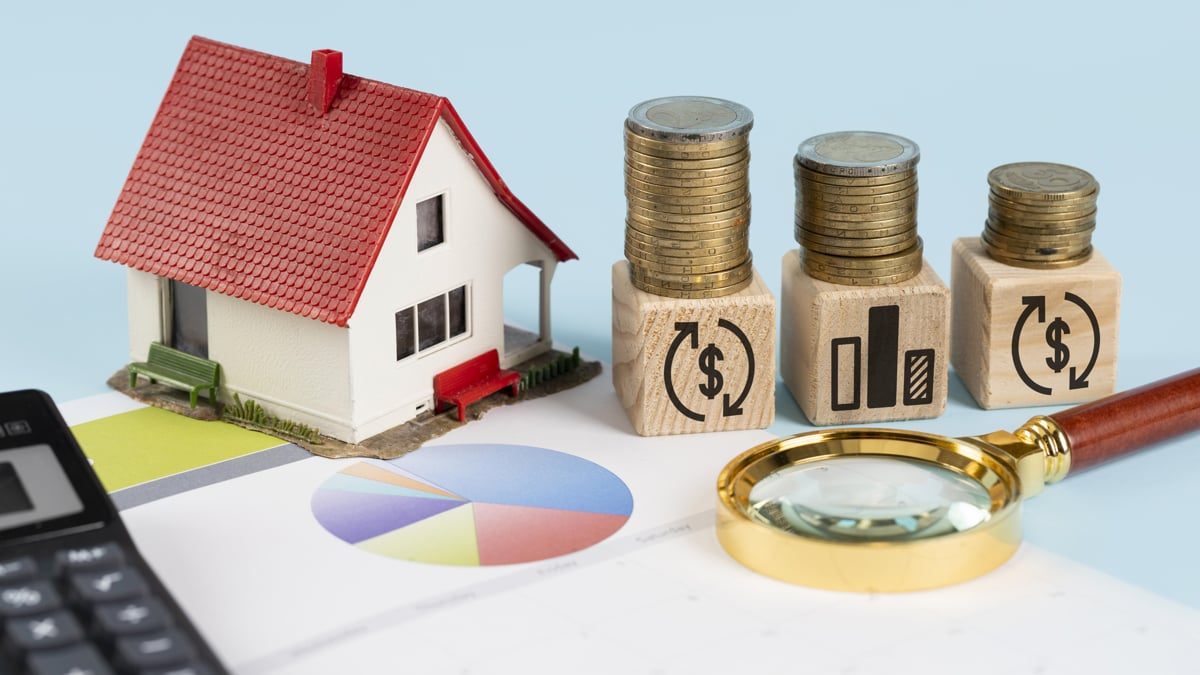
As a homeowner in South Dakota, you are sitting on a unique financial advantage. Whether you own a modern ranch in the fast-growing neighborhoods of Sioux Falls or a historic property nestled near the Black Hills in Rapid City, property values across the state have shown remarkable resilience. In 2026, the real estate market in the Mount Rushmore State remains a pillar of stability, even as national interest rate trends fluctuate.
My name is [Your Name], and as a dedicated South Dakota Mortgage Consultant, I’ve spent years helping neighbors navigate the complexities of home financing. I understand that your home is more than just a shelter; it is your largest financial asset. With current market conditions favoring those with established equity, now is the time to explore how a Home Equity Line of Credit (HELOC) can work for you. From funding a much-needed renovation to consolidating high-interest debt, I’m here to provide the local expertise you need to make an informed, confident decision for your financial future.
What is a HELOC? A 2026 Perspective for SD Homeowners
A Home Equity Line of Credit (HELOC) is a flexible financial tool that allows you to borrow against the value of your home. Think of your home’s equity as the difference between what your house is worth on the South Dakota market today and what you still owe on your mortgage. Because this loan is secured by your home, the property serves as collateral. This typically allows you to access much lower interest rates than you would find with a credit card or a personal loan.
Unlike a standard home equity loan, which gives you a single lump sum of cash at a fixed rate, a HELOC works more like revolving credit. In the current 2026 economy, this flexibility is a major advantage. You only borrow what you need, when you need it, and you only pay interest on the amount you actually use.
A HELOC is divided into two distinct phases:
The Draw Period: This is the initial phase, often lasting 10 years. During this time, you can withdraw funds as needed. Most homeowners choose to make interest-only payments during this stage to keep monthly costs low.
The Repayment Period: Once the draw period ends (typically for another 10 to 20 years), the "line" closes. You can no longer withdraw money, and you begin paying back both the principal and the interest.
In today’s market, many South Dakotans prefer this "pay-as-you-go" structure for long-term projects like home additions or managing tuition costs, as it provides a safety net without the pressure of a large, immediate debt.
Current South Dakota HELOC Rates & Market Trends
If you are looking for a South Dakota HELOC in March 2026, you'll find a market that is currently offering some of the most stable borrowing conditions in recent years. As of early March, national average HELOC rates are hovering around 7.3%, with well-qualified borrowers in South Dakota often finding even more competitive local offers.
Why Rates in the "605" Stand Out
South Dakota’s lending landscape often moves differently than the coastal markets. While national rates are heavily influenced by the Prime Rate which is currently stable following several Federal Reserve adjustments in 2025 local South Dakota lenders often have a high "appetite" for local debt. Because our state’s economy is anchored by steady growth in industries like healthcare, finance, and agriculture, local banks and credit unions often offer tighter "margins" (the small percentage a lender adds to the Prime Rate).
Key Numbers You Need to Know
When you apply for a HELOC this year, lenders will focus on three primary factors to determine your specific rate:
Loan-to-Value (LTV) Ratio: In 2026, most South Dakota lenders prefer an LTV of 80% or lower. This means if your home in Sioux Falls is worth $400,000, lenders generally want your total debt (existing mortgage + new HELOC) to stay under $320,000.
Debt-to-Income (DTI) Ratio: This measures how much of your monthly income goes toward paying debts. To secure the lowest possible rate, aim for a DTI below 36%, though many local programs allow up to 43% or 45% for established homeowners.
The Prime Rate Connection: Most HELOCs are variable-rate products. They are tied directly to the Prime Rate (currently at 6.75%). As the economy shifts throughout 2026, your HELOC rate will likely move in lockstep with any Federal Reserve changes.
The 2026 South Dakota Market Forecast
Property values in the state remain a "bright spot." Cities like Spearfish and Harrisburg have seen steady value increases of about 2-3% over the last year. This consistent growth means that even if you haven’t made extra payments on your mortgage, your "hidden" equity has likely grown simply because of the rising market. For many South Dakotans, this creates a perfect window to lock in a credit line while equity is high and rates are beginning to ease from their 2024 peaks.
Why South Dakotans are Choosing HELOCs in 2026
In 2026, the decision to open a HELOC has become a strategic move for many families across South Dakota. While national economic trends fluctuate, our local economy remains rooted in property ownership and sensible financial growth. Homeowners from the Glacial Lakes region to the Missouri River are finding that a line of credit is often the most efficient way to manage large expenses without draining their savings.
Tailored for the South Dakota Lifestyle
One of the primary reasons local residents are tapping into their equity is for home improvements specifically suited to our climate. With the unpredictable South Dakota winters, many homeowners are using HELOC funds for "winter-proofing" projects installing high-efficiency HVAC systems, upgrading insulation, or replacing aging roofs to withstand heavy snow loads.
In western South Dakota, we are seeing a surge in projects related to the outdoors. Rising Black Hills property values have encouraged residents in areas like Custer and Deadwood to invest in deck expansions or secondary structures like shops and barns. For those managing larger plots of land or hobby farms on the outskirts of Aberdeen, a HELOC provides the flexible capital needed for agricultural land upgrades, such as new fencing, irrigation improvements, or outbuilding repairs.
Smart Debt Management
Beyond physical upgrades, debt consolidation remains a top priority in 2026. Many South Dakotans are using their home equity to pay off high-interest credit cards or auto loans. Because a HELOC typically carries a much lower interest rate than unsecured debt, this move can save a household hundreds of dollars in monthly interest charges.
Whether it’s preparing for the next generation's college tuition or ensuring a ranch is ready for the next season, the flexibility to "draw" only what is needed makes the HELOC a preferred tool for the practical, forward-thinking South Dakota homeowner.
HELOC vs. Cash-Out Refinance: Which is Right for You?
When you need to access a significant amount of cash, the two main avenues are a Home Equity Line of Credit (HELOC) or a cash-out refinance. Both options leverage your home's equity, but they structure your debt differently and are suited for different financial situations. In the current 2026 South Dakota market, making the right choice between them depends entirely on your existing mortgage, your needs, and your long-term goals.
Understanding the Trade-Offs
A Cash-Out Refinance replaces your existing mortgage with an entirely new, larger loan. You receive the difference in cash. This means your entire mortgage debt both the original balance and the new equity amount, is wrapped into one loan, usually with a fixed interest rate. This is ideal if your current mortgage rate is higher than today’s rates and you want the predictability of a single, fixed monthly payment.
A HELOC, on the other hand, is a second mortgage that sits on top of your existing one. Your original, likely low-interest mortgage remains untouched. You only borrow and pay interest on the equity portion as you use it, typically with a variable rate.
Which is Better in 2026? A Professional Advice
For most South Dakotans who secured mortgages during the record-low rate era prior to 2022, a HELOC is likely the superior option in 2026. Keeping that original low rate (perhaps under 4% or 5%) and only paying a higher variable rate on a smaller credit line is usually much smarter than refinancing the entire balance into a new, higher rate (which currently hovers above 7%).
However, if you have a significant amount of high-interest debt (like credit cards or personal loans) that you want to consolidate, or if you need the security of a fixed rate and intend to stay in your home for many years, a cash-out refinance might make sense.
Key Factors for Comparison
Before deciding, it’s critical to perform a proper comparison of the two options. Here is a high-level overview:
Key Comparison Table
Feature | Home Equity Line of Credit (HELOC) | Cash-Out Refinance |
Loan Structure | Second mortgage | First mortgage (New) |
Interest Rate | Variable (Moves with Prime) | Fixed (Typically) |
Access to Funds | Flexible (Revolving) | Lump sum |
Closing Costs | Low (Often < $500 or $0) | High (2-5% of loan amount) |
Payments | Interest-only (Draw), then P&I (Repayment) | Full Principal & Interest |
Ideal For | Ongoing projects, safety net | Large, one-time needs; consolidation |
The Critical "Break-Even" Analysis
My job as your mortgage consultant is to run a precise break-even analysis. If you are considering a cash-out refinance primarily to lower your rate, we must calculate exactly how many months it will take for your lower monthly payment to offset the thousands of dollars you will pay in closing costs. In many cases in 2026, the savings don't justify the upfront expense. A HELOC often allows you to achieve your financial goals with significantly lower transactional costs, leaving more of your equity in your pocket.
Qualifying for a HELOC in South Dakota
Securing a HELOC in 2026 requires meeting specific financial standards designed to protect both you and the lender. In South Dakota, these guidelines are overseen by the South Dakota Department of Labor and Regulation (Division of Banking), ensuring that local lending remains fair and transparent.
The Three Pillars of Approval
To qualify, lenders primarily focus on three areas:
Credit Score Requirements: While some local programs may consider scores as low as 620, most South Dakota lenders look for a score of 680 or higher to offer the most competitive rates. If your score is above 720, you move into the "prime" category, which unlocks the lowest possible margins over the current interest rates.
Verifiable Income and DTI: Lenders will review your Debt-to-Income (DTI) ratio. Ideally, your total monthly debt payments (including the new HELOC) should not exceed 43% of your gross monthly income. For South Dakotans with stable employment in our strong local sectors like healthcare or agriculture, lenders may sometimes allow a slightly higher ratio if other financial factors are strong.
The Appraisal Process: Because your home is the collateral, its current value must be professionally verified. In 2026, many lenders will use "desktop appraisals" or automated models for faster processing. However, if you have a unique property in the Black Hills or a large acreage near Mitchell, a traditional in-person appraisal may be required to accurately capture the home's worth. Typically, you will need to keep at least 15% to 20% equity in the home after the loan is closed.
Expert Tip: The "Six-Month Sprint"
If you are planning to apply for a HELOC later this year, start preparing at least six months in advance. Avoid opening any new credit cards or taking out new auto loans during this window, as these "hard inquiries" can temporarily dip your credit score. More importantly, focus on paying down revolving credit card balances. Lowering your credit utilization not only boosts your score but also improves your DTI, making you a much more attractive borrower when you sit down with a consultant.
Geographic Deep Dive: Sioux Falls vs. Rapid City vs. Aberdeen
While South Dakota’s economy is unified by a strong work ethic, our local housing markets are quite diverse. Where you live in the state significantly impacts how much equity you have available and how lenders view your property value in 2026.
Sioux Falls: High Demand and Limited Inventory
In Sioux Falls, the market remains incredibly tight. We are currently seeing a persistent inventory shortage in popular neighborhoods like Prairie Hills and near the downtown core. With less than a one-month supply of homes available, buyers are often in bidding wars, which has pushed property values up by nearly 15-20% over the last few years. If you bought your home in the Sioux Falls metro area even three years ago, you likely have a significant "equity cushion" that can be unlocked via a HELOC for renovations or investments.
Rapid City and the Black Hills: Tourism-Driven Growth
Across the state in Rapid City, the market is influenced by different factors. The surge in remote work and a booming tourism industry have made the Black Hills a national destination. This has led to a unique spike in tourism-driven equity. Properties in areas like Spearfish, Lead, and Custer have seen values rise as people look for vacation homes or short-term rental opportunities. Lenders often view these properties favorably due to their high desirability and the natural beauty of the surrounding geography.
Aberdeen: The Hub City’s Steady Value
In Aberdeen, the market is known for its reliability. Known as the "Hub City," Aberdeen’s real estate doesn't typically see the wild price swings found in the larger metros. Instead, it offers sustainable growth. In 2026, home values here are rising at a manageable pace of about 5-6% annually. For homeowners in Brown County, this steady appreciation provides a predictable financial foundation, making a HELOC an excellent tool for long-term planning or consolidating debt while maintaining a stable home environment.
The Risks: Navigating Potential Pitfalls
While a HELOC is a powerful financial ally, it is my responsibility as a consultant to ensure you understand the risks involved. Borrowing against your home is a significant commitment, and staying informed is the best way to protect your primary asset.
Variable Rates and Payment Shifts
Most HELOCs come with variable rates. This means that if the national economy shifts and the Federal Reserve raises interest rates, your monthly interest payment will increase as well. In 2026, we will see relative stability, but it is vital to have a "buffer" in your household budget to account for potential future fluctuations.
Understanding Foreclosure Risks
Because your home serves as the collateral for the line of credit, failing to make your payments puts your property at risk. A HELOC is a legal lien against your house. If you face a sudden loss of income or find yourself overextended, the lender has the right to initiate foreclosure proceedings to recover the debt. This is why I always recommend borrowing only what you truly need rather than the maximum amount for which you qualify.
Watching for Balloon Payments
Some specific HELOC structures include what is known as a balloon payment. This occurs if your monthly payments during the draw period don't cover any of the principal balance, or if the loan isn't fully amortized over the repayment period. At the end of the term, you could be required to pay off the entire remaining balance in one large sum. Always review your loan disclosures carefully to ensure your repayment schedule aligns with your long-term cash flow.
Step-by-Step: How to Apply for an SD HELOC
Navigating the application process for a South Dakota HELOC is straightforward, especially when you have your documentation ready in advance. In 2026, many local lenders have streamlined this process, often allowing for a mix of online convenience and personal service. Here is the typical roadmap from start to finish:
1. The Initial Application
The process begins with a formal application where you provide details about your income, employment, and existing mortgage. At this stage, some lenders may charge a small application fee to cover the initial administrative costs and a credit report pull, though many local South Dakota credit unions waive this fee for existing members.
2. Property Valuation and Title Work
Once your initial credit is approved, the lender must verify the "collateral"—your home. They will order a professional appraisal to determine current market value. Simultaneously, the lender performs a title search. This ensures there are no unknown liens or legal disputes on your property that would prevent them from securing the line of credit. In South Dakota, this is a standard step to protect your ownership rights and the lender's investment.
3. Underwriting and Approval
A professional underwriter reviews your full financial package. They may ask for clarifying documents, such as recent tax returns or W-2s. Once they are satisfied that you meet the state and federal lending guidelines, you will receive your final approval.
4. Closing the Loan
The final step is the closing, which can often take place at a local branch or a title company office. You will sign the final loan agreement in the presence of a notary public to verify your identity and the legality of the documents. After a mandatory three-day "right of rescission" period (a federal cooling-off period), your line of credit becomes active, and you can begin drawing funds as needed.
Conclusion: Partnering with a South Dakota Expert
Deciding how to use your home’s equity is a significant financial milestone. In the 2026 South Dakota market, the opportunities are vast, but the right path depends on your unique goals. Whether you are looking to renovate a family home in Sioux Falls, manage a ranch in the Black Hills, or simplify your monthly budget through debt consolidation, having a local partner makes all the difference.
As an experienced Mortgage Advisor, I specialize in the nuances of the South Dakota lending landscape. My goal is to move beyond the numbers and provide a personalized strategy that fits your lifestyle. If you are ready to explore your options, I invite you to reach out for a free consultation. We can sit down together to review your equity, run a "break-even" analysis, and determine if a HELOC or a tailored refinancing plan is the best fit for your future. As your local refinancing specialist, I am here to ensure you make your home’s value work as hard as you do.