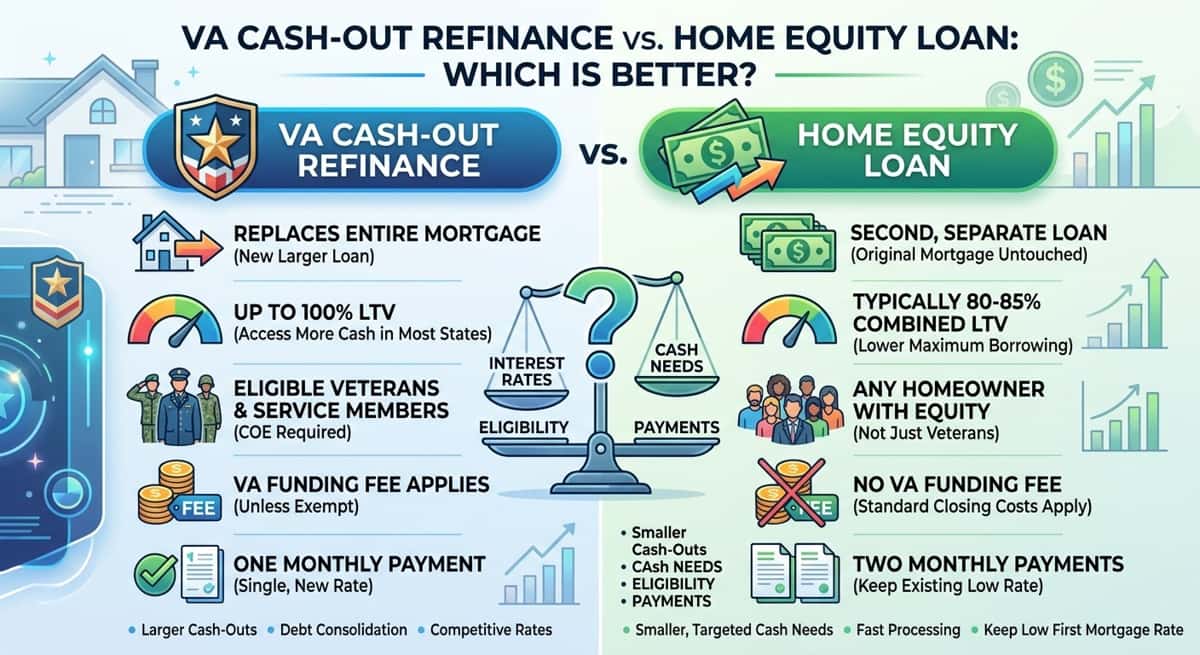

Are you a homeowner who has diligently managed your finances yet finds yourself with a thin or non-existent traditional credit history? It’s a common frustration: you have valuable home equity, but the systems designed to assess your creditworthiness fail to see your true financial reliability, potentially blocking your access to vital financing like a Cash-Out Refinance or a Home Equity Line of Credit (HELOC).
I am a professional Loan Officer and Mortgage Consultant specializing in solutions for this exact scenario. Having expertise in complex underwriting guidelines is paramount, especially when navigating programs established by organizations like Fannie Mae.
This comprehensive guide is dedicated to unlocking one of the most powerful tools in our arsenal: Fannie Mae’s B3-5.4-02: Documenting Nontraditional Credit References. We will break down this essential rule to show you exactly how your consistent payments—like rent, utilities, and insurance—can be leveraged to secure loan approval. By the end, you will understand how to transform your consistent payment history into the funding required to access your home’s equity.
Decoding Fannie Mae B3-5.4-02: The Official Framework for Documenting Alternative Credit
Navigating mortgage guidelines requires referencing the definitive source. The framework for using nontraditional credit comes directly from the Fannie Mae Selling Guide, specifically section B3-5.4-02. This official guidance provides a clear, authoritative path for underwriters to evaluate borrowers who may not have a standard credit report but possess an exemplary history of financial responsibility.
At its core, nontraditional credit refers to payment histories that are not typically reported to the three major credit bureaus (Equifax, Experian, and TransUnion). This is a crucial distinction. It’s not about poor credit; it’s about insufficient or unavailable credit. This guideline was introduced to foster responsible lending by recognizing the credit-worthy nature of individuals—including recent immigrants, young professionals, and those who prefer to avoid credit card debt—who would otherwise be excluded from accessing favorable loan terms, especially for refinancing or home equity products. Fannie Mae recognizes that a reliable history of paying recurring bills on time is a strong indicator of future mortgage performance.
Acceptable Nontraditional Credit Sources Under B3-5.4-02
The B3-5.4-02 guidelines are specific about the types of credit references that can be used to establish a qualifying credit profile. You must provide a payment history for at least three distinct credit references, with one being an absolute requirement: housing payments.
The most common and impactful reference is Rent/Lease payments, which must be verified by a third party. Other acceptable recurring payment sources include:
- Utility Payments: Electric, gas, water, landline phone, or internet/cable bills.
- Insurance Payments: Automobile, life, health, or renter's insurance.
- Other Installment Loans: Payments on student loans or medical installment plans that do not appear on a traditional credit report.
- Educational Payments: Regular tuition or childcare payments.
The key is that these references must clearly demonstrate a commitment to timely, consistent monthly payments over an extended period.
The Strict Documentation Requirements and Timeframes
Establishing a satisfactory nontraditional credit history demands meticulous documentation. The guideline requires verification of at least 12 months of payment history for all references used. This typically involves submitting:
- Bank Statements: Clear records showing automatic withdrawals to the creditor.
- Canceled Checks: Copies showing the payment being debited and paid to the creditor.
- Payment History Records: Official letters or ledger records from the service provider (e.g., property management company).
A satisfactory payment history is non-negotiable. Fannie Mae requires that the borrower demonstrate no 30-day late payments on any credit reference used. Furthermore, the nature of the documentation differs. While rent payments require third-party verification, utility payments can sometimes be established solely through statements showing timely settlement, provided they meet all other criteria. As your Mortgage Consultant, my role is to ensure your documentation package is precise, complete, and fully compliant with B3-5.4-02 before submission.
The Underwriting Process: How Lenders Assess Nontraditional Credit
Once your comprehensive documentation is assembled, it moves into the underwriting phase—the critical review where a lender determines the risk associated with your loan application. This process is about more than just checking boxes; it’s about using the alternative data you provided to build a complete picture of your financial behavior and stability. For loans that touch upon your core finances, transparency is key. The underwriter’s primary goal is risk mitigation, ensuring that the reliable payment history shown through your rent and utility payments suggests a strong likelihood of timely future mortgage payments. Your consistent payment pattern demonstrates financial discipline and capacity, providing the necessary assurance for loan approval, especially for a large transaction like a refinance or home equity product.
Automated vs. Manual Underwriting with Nontraditional Credit
Most mortgage applications are initially processed through Fannie Mae’s Automated Underwriting System (AUS), known as Desktop Underwriter (DU). When a file contains significant reliance on nontraditional credit references, DU often cannot issue an immediate “Approve/Eligible” finding. Instead, the system may flag the file with a "Refer/Manual Underwrite" status.
This shift from automated to manual underwriting is where the expertise of your Mortgage Consultant becomes invaluable. A manual review means a human underwriter must thoroughly examine every single document. They rely on the loan officer to present the documentation clearly, compellingly, and in full compliance with the B3-5.4-02 requirements. This human expertise is often the determining factor in successfully securing approval when automated systems hit a complex scenario.
Calculating the Stability and Capacity of Nontraditional Credit
Underwriters analyze your nontraditional credit history not just for timeliness, but for its alignment with the new proposed housing expense. Key financial metrics drive this assessment:
- Debt-to-Income Ratio (DTI): The underwriter uses this standard ratio to ensure your new total monthly obligations (including the proposed mortgage payment) remain manageable relative to your gross monthly income.
- Payment Shock: This calculation compares your previous verified housing expense (rent/lease) to the new proposed mortgage payment. A modest increase is generally preferred. For instance, if your documented rent was $1,800 and the new total housing payment is $2,200, the payment shock is low, reinforcing confidence in your ability to afford the new loan.
- Residual Income: In some manual reviews, the underwriter looks beyond DTI to the actual income left over after all recurring debts are paid, further confirming financial capacity based on your demonstrated payment capacity.
Tailoring B3-5.4-02 to Your Refinancing and Home Equity Strategy
The primary reason you would leverage Fannie Mae B3-5.4-02 nontraditional credit is to access the equity built up in your home, either through a lower interest rate Refinance, a Cash-Out Refinance, or a HELOC/Home Equity Loan. This guideline is not just for first-time buyers; it’s frequently a game-changer for seasoned homeowners whose credit profiles may be complex or inactive.
Consider these scenarios where B3-5.4-02 proves essential:
- The Debt-Free Homeowner: You have a mortgage that is paid off or nearing completion. You haven’t used revolving credit in years, resulting in a dormant credit file. You now need a cash-out refinance for home improvements; the non-traditional credit references fill the gap, proving your ability to manage debt.
- The Self-Employed Professional: Your personal financial profile is interwoven with your business, making traditional credit metrics confusing. The verifiable, consistent payments for rent or utilities under your personal name provide the stable history needed for approval.
- The Second Mortgage Seeker: You're seeking a HELOC or Home Equity Loan, but the primary mortgage holder doesn’t report payment history to all three bureaus. Documenting your on-time primary mortgage payments through alternative records can satisfy the lender's requirement for a second lien.
Maximizing Your Loan-to-Value (LTV) with Strong Non-Traditional References
The quality of your nontraditional credit documentation can do more than just qualify you for the loan; it can directly influence the terms you are offered. Strong, well-documented references reduce the perceived risk of the loan file in the eyes of the underwriter.
When risk is lowered, lenders may be more willing to offer:
- More Favorable Interest Rates: Demonstrating 12–24 months of perfect, verifiable payments can offset concerns about a thin credit file, often leading to a better pricing tier.
- Higher Permissible Loan-to-Value (LTV): For a Cash-Out Refinance, LTV determines how much cash you can take out of your home. By establishing confidence in your reliability via B3-5.4-02, you may qualify for the maximum allowable LTV, ensuring you access the full extent of your home's equity potential.
The Expert Difference: Why a Mortgage Consultant is Non-Negotiable for Nontraditional Credit
While the Fannie Mae B3-5.4-02 guideline provides the framework, the successful application of nontraditional credit hinges entirely on expertise. Navigating the intricate documentation requirements—from obtaining the correct 12-month history to ensuring every payment is fully verifiable and compliant—is where most applicants stumble.
This is not a simple form submission; it is the construction of a comprehensive financial narrative. As your Mortgage Consultant, my value is in knowing precisely how the underwriter interprets the data. I anticipate potential flags, organize disparate documents into a cohesive, compliant package, and often communicate directly with the underwriter to advocate for your file during the manual review process. This specialized knowledge minimizes delays and drastically increases your chance of securing a favorable loan approval for your Home Equity or Refinancing goal. Relying on an expert ensures your consistent financial history is properly presented and fully credited.
Ready to discuss your home equity or refinancing goals? Contact us today for a confidential review of your nontraditional credit profile and take the next step toward securing your financing.
Conclusion: Making Your Credit Story Heard
The Fannie Mae B3-5.4-02 nontraditional credit guideline is a powerful, yet specialized, tool designed to ensure fair access to financing. When properly documented and expertly presented, your consistent payment history for rent, utilities, and insurance transforms into the necessary proof of reliability, enabling all credit-worthy homeowners to successfully achieve their refinancing and home equity goals.