If you're considering a mortgage refinance or applying for a Home Equity Line of Credit (HELOC), you’ll encounter a list of charges known as closing costs. One line item that often causes confusion is the Flood Determination Fee. As your professional Loan Officer and Mortgage Consultant, I want to demystify this charge and address the question I hear most often: Can the flood determination fee be waived?
The short, expert answer is that the fee itself, which covers a federally-mandated compliance service, is generally not waivable because the service must be performed. The key, however, lies in understanding who pays it. While the lender is required by law to obtain a flood zone certification for the property, a true "waiver" is rare. Instead, in some competitive scenarios, the lender might choose to absorb this specific cost as part of a larger Lender Credit to you.
The Flood Determination Fee is a small, one-time charge paid to a third-party vendor or servicing company to formally check the property address against the official FEMA (Federal Emergency Management Agency) maps. This is required for all federally-regulated loans, and it’s a necessary step to protect both you and the lender. You’ll see this fee listed on your initial disclosure and subsequent closing documents. Understanding the fee's purpose is the first step in effectively managing your overall closing expenses. We'll explore in detail where this fee comes from and the practical strategies available to minimize your overall outlay.
What Exactly Is the Flood Determination Fee? Establishing the Expertise
The Flood Determination Fee is not a negotiable service that your lender invented; it is a critical piece of regulatory compliance required by federal law. As an expert, I want you to view this fee as a necessary operational cost that enables a lender to meet their compliance obligations and, most importantly, protect the integrity of the property that secures your loan. It is the initial, mandatory step in assessing flood risk for any real estate transaction, whether you are taking out a primary mortgage, refinancing your current home, or securing a Home Equity Line of Credit (HELOC).
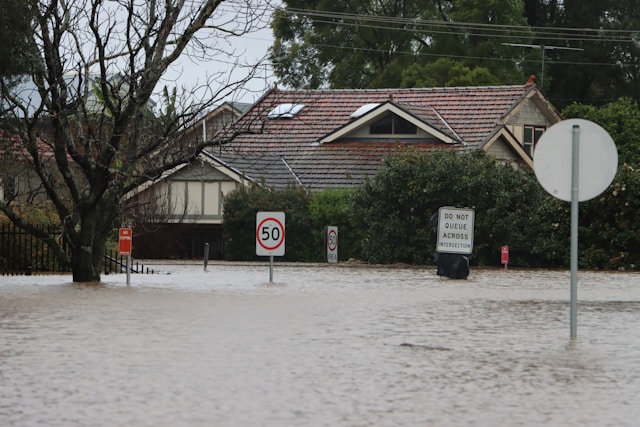
This small charge covers the cost of a formal flood zone certification—an official report that confirms whether the property structure is located within a designated Special Flood Hazard Area (SFHA), often referenced by its high-risk zone labels (like Zone A or V) on federal maps.
The Compliance Foundation: Why the Fee is Non-Negotiable
The requirement for this determination is rooted in the Flood Disaster Protection Act of 1973 and regulations tied to the National Flood Insurance Program (NFIP). Federal law mandates that all federally regulated or insured lenders—which includes virtually every major financial institution—must confirm the flood status of the collateral (your property) for any loan they make, increase, extend, or renew.
The reason is simple: if the property is substantially damaged by a flood, the collateral's value is impaired, putting the lender’s investment at risk. The flood determination is the mechanism for triggering mandatory flood insurance. Therefore, performing this determination is not optional; it is a non-negotiable element of the underwriting process designed to ensure the financial security of the loan and, by extension, the property itself.
Who Conducts the Determination and Who Gets Paid?
The fee you pay covers the service of a specialized, third-party vendor, not typically your lender's in-house staff. These dedicated providers maintain sophisticated systems that compare your property's legal description and boundaries against the official FEMA maps (specifically the Flood Insurance Rate Maps, or FIRMs).
The fee, which is generally quite modest compared to other closing costs, pays for two core services:
- The Initial Certification: The creation of the Standard Flood Hazard Determination Form (SFHDF) at the time of your loan application.
- Life-of-Loan Monitoring: Most vendors provide a service where they continuously monitor your property's flood status for the entire life of the mortgage. This is a crucial, long-term compliance feature because FEMA periodically revises and updates its flood maps. If your property is newly mapped into a high-risk area ten years from now, the monitoring service notifies your lender, who must then notify you of the mandatory insurance requirement. This ongoing compliance protection is why the service is considered a necessary upfront cost.
The Mandatory Nature of the Fee: Purchase, Refinance, and Home Equity Context
The Flood Determination Fee is not a discretionary charge; its necessity is woven directly into the fabric of federal lending regulations. Whether you are buying a home, restructuring your current loan through a refinance, or tapping into your equity with a HELOC, the requirement for this service remains largely mandatory. The federal government requires this determination for any loan secured by improved real estate because the lender must protect its interest in the property should a flood event occur.
Flood Determination Fee in a Mortgage Refinance
Many homeowners approaching a refinance assume their existing flood certificate is sufficient, especially if they have been in the home for a while. However, a refinance is legally considered the making, increasing, extending, or renewing of a loan. Since you are creating a new legal obligation secured by the property, the lender must perform a new due diligence check.
While the property's flood risk typically doesn't change drastically overnight, the official FEMA maps are subject to periodic revision. A new determination ensures that the lender is basing its mandatory flood insurance decision on the most current Flood Insurance Rate Map (FIRM) available. An exception is rare, but some lenders may be able to rely on a prior flood determination if it is very recent (often less than five to seven years old) and the official flood maps for the area have not been revised since the prior report was issued. For the vast majority of refinance applicants, a new flood determination is a standard and unavoidable part of the process.
Home Equity Loans (HELOCs) and Secondary Mortgages
If you are pursuing a Home Equity Line of Credit (HELOC) or a second mortgage (junior lien), the federal requirement for the flood determination still applies. The property is serving as collateral for a new extension of credit, and thus, the lender—even a second-lien holder—is obligated to assess the flood risk.
While a second mortgage holder's financial risk may be subordinated to the first mortgage, federal regulations do not distinguish between first and second liens when it comes to the mandatory flood determination service. If the property is found to be in a Special Flood Hazard Area (SFHA), both the first and second lien holders must ensure that adequate flood insurance is in place to cover the total amount of the outstanding principal balance(s) up to the statutory limit. Therefore, the Flood Determination Fee is a necessary closing cost for virtually all home equity products secured by real property.
Mandatory Flood Insurance vs. the Determination Fee
One of the greatest sources of confusion for borrowers is mistakenly conflating the Flood Determination Fee with the Flood Insurance Premium. As your consultant, I want to clarify that these are two entirely different financial requirements:
Component
What it Pays For
Frequency of Charge
Flood Determination Fee
The one-time professional service of checking the property's location against the official FEMA maps.
Once per loan closing (purchase, refinance, or HELOC).
Flood Insurance Premium
The recurring annual cost of the actual insurance policy that pays out claims in the event of flood damage.
Annually, for the life of the loan (only if the property is in a high-risk flood zone).
Paying the Flood Determination Fee does not mean you are required to buy flood insurance. It simply means the lender is performing the required legal due diligence. Only if the determination report confirms that your home is located within a high-risk zone (an SFHA) will the lender then require you to purchase and maintain flood insurance for the duration of the loan. In most cases, the fee confirms the property is not in a high-risk zone, and you will proceed without the insurance requirement (though personal purchase is always recommended for peace of mind).
Addressing the "Waiver": Can the Flood Determination Fee Be Waived?
The question of a flood determination fee waiver is central to your interest as a borrower focusing on refinancing or home equity, as it touches directly on managing your closing costs. The distinction between a mandatory federal service and a negotiable fee is critical here. As your mortgage consultant, my goal is to provide a clear, authoritative understanding of the possibilities for avoiding this charge, which largely boils down to cost absorption rather than a true waiver of the service itself.
Myth Busting: The Fee Cannot Be Federally Waived
The most important fact to understand is that the Flood Determination Fee is tied directly to federal compliance. The determination service—checking the property against the FEMA map and producing the Standard Flood Hazard Determination Form (SFHDF)—is a legal requirement that must be performed and documented for virtually every federally regulated mortgage transaction.
Since the fee is the cost of this mandatory service provided by a third-party vendor, it is generally not legally waivable by the borrower or the lender. The fee itself is a direct, hard cost. Unlike some lender-specific charges (like underwriting or processing fees), the flood determination fee, along with other third-party services like appraisals and credit reports, cannot simply be eliminated at the borrower's request. The service must be conducted, and the service provider must be compensated. If you see the fee listed on your Loan Estimate, the service is considered necessary to proceed with your loan application. Therefore, our focus must shift from attempting to waive the service to devising strategies for the lender to cover the cost on your behalf.
Expert Strategy 1: The Lender Absorbs the Cost
This strategy represents the closest a borrower can get to an effective "waiver." In a competitive environment, lenders are often willing to provide credits to make their loan package more attractive.
When you negotiate your loan terms, you can ask your Loan Officer to cover this and other non-negotiable third-party fees. If the lender agrees, they will issue a Lender Credit on your Closing Disclosure. This credit is a dollar-for-dollar reduction in your total closing costs, often covering charges like the flood determination fee, appraisal fees, or title fees.
Crucially, the service still gets performed and the vendor is paid. However, the cost is shifted from the borrower to the lender, effectively making the fee zero dollars out-of-pocket for you.
Actionable Advice for Negotiation:
- Ask for a "No Closing Cost" Refinance: While "no closing cost" typically means the costs are rolled into your interest rate, you can specifically request a small Lender Credit to offset mandatory fees like the flood determination. State clearly that you want to see the specific fees covered by the credit on your Loan Estimate.
- Use Competition: If you receive a Loan Estimate from one lender showing the fee, use that as leverage with a second lender. Ask the second lender if they can provide a Lender Credit large enough to cover the flood determination fee (and other third-party costs) to match or beat your competing offer.
This is the most common and effective way to achieve a "flood determination fee waiver" from a financial perspective, especially for refinance clients who are sensitive to upfront cash requirements.
Expert Strategy 2: Relying on Existing Certification Reports
In some extremely limited circumstances, a lender may be permitted to rely on a prior flood determination for the same property, which would eliminate the need to order and charge for a new one. This scenario is most relevant to existing homeowners applying for a refinance or Home Equity Line of Credit.
Federal regulations state that a lender may rely on its own prior determination when increasing, extending, or renewing a loan (like a refinance) if certain conditions are met:
- Recency: The prior determination must have been made within the last seven years.
- Standard Form: The determination was originally completed using the SFHDF.
- No Map Change: The lender confirms that the FEMA maps have not been revised or updated in a way that affects the property's flood risk since the prior determination was made.
In practice, because most flood determination providers offer life-of-loan monitoring which constantly tracks map changes, many lenders opt to simply order a new determination to ensure absolute compliance and to reactivate the monitoring service for the new loan. Relying on an old report is often dependent on the specific lender’s internal policy. If you believe you have a very recent report, discuss this specific possibility with your Loan Officer, but be prepared for the lender to require a new determination to maintain the highest standard of regulatory compliance.
Key Entities and Closing Cost Strategies for Your Mortgage
Understanding how the Flood Determination Fee fits into your overall mortgage closing costs—and, crucially, how you can minimize the total amount you pay out-of-pocket—requires a clear understanding of the key documents and effective negotiation strategies. The fee itself is small, but the tactics you use to handle it are the same ones that can save you thousands on your refinance or home equity loan.
Is the Flood Determination Fee Refundable?
A frequently asked question when a loan hits a snag is whether third-party fees, like the Flood Determination Fee, are refundable. The general rule is no, once the service is rendered, it is not refundable, even if your loan application is eventually denied or you decide not to proceed with the transaction.
The fee is paid to the third-party vendor for the professional service of performing the property search and providing the official certification report to the lender. Once that work is complete, the vendor has earned their fee. It is important to note this distinction: fees charged by the lender (like application or processing fees) might be refundable, depending on the lender's policy and how far the process advanced. However, non-refundable third-party costs, which also typically include the appraisal fee and credit report fee, are considered costs incurred on your behalf to process the loan, regardless of the final outcome.
How to Locate the Fee on Your Loan Estimate (LE)
When you receive your Loan Estimate (LE)—the three-page document detailing the costs of your potential loan—you can easily locate the Flood Determination Fee to confirm its cost.
This fee is required by federal regulations to be listed under Section B: Services You Cannot Shop For. Because the determination is a non-negotiable compliance requirement and the lender often has an established, vetted relationship with a specific life-of-loan monitoring provider, the cost is typically set by the vendor and passed directly to you. While this fee is usually quite minor (often ranging from $20 to $100), locating it precisely helps you ensure the cost is accurately disclosed and gives you the exact amount to target if you choose to negotiate a Lender Credit to cover it.
3 Expert Strategies to Minimize Total Closing Costs in a Refinance
While the focus on the Flood Determination Fee is understandable, maximizing savings means focusing on the big-ticket items. As your mortgage consultant, I advise centering your negotiation on these three areas:
- Negotiate the Lender Credit to Absorb Fees: As discussed, strategically request a Lender Credit in exchange for a slightly higher interest rate. This credit can offset your entire out-of-pocket closing cost total, including the Flood Determination Fee, the appraisal, and origination fees. This is ideal if you plan to move or refinance again in the next few years.
- Shop for Title and Escrow Services: The most substantial and negotiable costs on your LE are found under Section C: Services You Can Shop For. These include title insurance, settlement agent fees, and title search fees. Obtaining quotes from two or three different title companies can often yield savings far greater than those found in lender-specific fees.
- Explore Streamline Refinance Programs: If you currently have a government-backed loan (FHA, VA, or USDA), ask your lender about their Streamline Refinance options. These programs typically require minimal documentation, often waive the need for a new appraisal (saving you hundreds), and sometimes offer reduced upfront insurance premiums, leading to significant overall cost reduction.
Conclusion: Your Next Step in Refinancing or Home Equity
The Flood Determination Fee is a foundational cost of compliance, not a random charge. As we've established, the service of checking your property's flood risk is mandatory under federal law for virtually all mortgages, including refinances and home equity loans. Therefore, the fee itself cannot be truly waived.
However, as a savvy homeowner, your focus should be on cost management rather than elimination. The most effective route to a "flood determination fee waiver" is to negotiate a Lender Credit that offsets this mandatory expense, along with other closing costs. By treating the Flood Determination Fee as a minor component of your overall closing expense strategy, you can concentrate your energy on maximizing savings in larger, more negotiable areas like title insurance and interest rates.
Navigating the intricacies of closing costs, from the smallest compliance charge to the largest escrow requirements, requires an expert guide. If you are ready to move forward with your refinance or a Home Equity Line of Credit, don't let small fees become a source of stress.
Ready to optimize your loan and minimize your out-of-pocket costs? Contact me today. As your dedicated Mortgage Consultant, I specialize in structuring loan packages for US homeowners to ensure compliance is met efficiently while maximizing your overall financial savings. Let's work together to make your next mortgage transaction seamless and cost-effective.